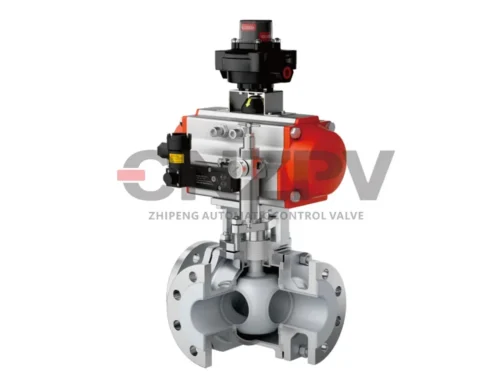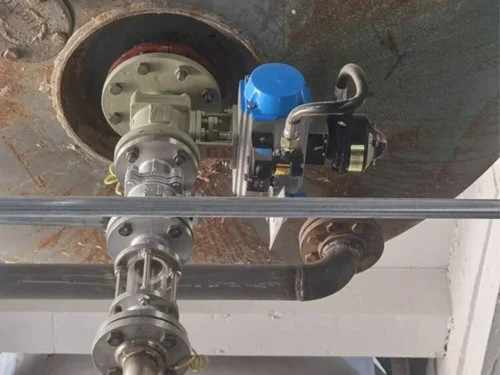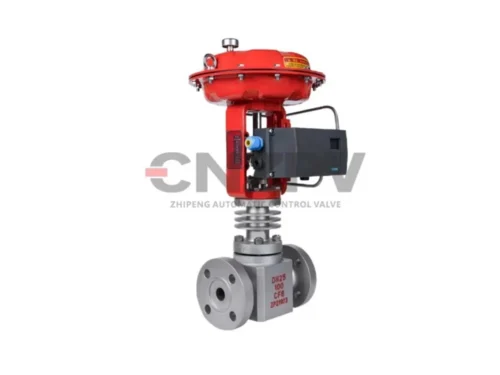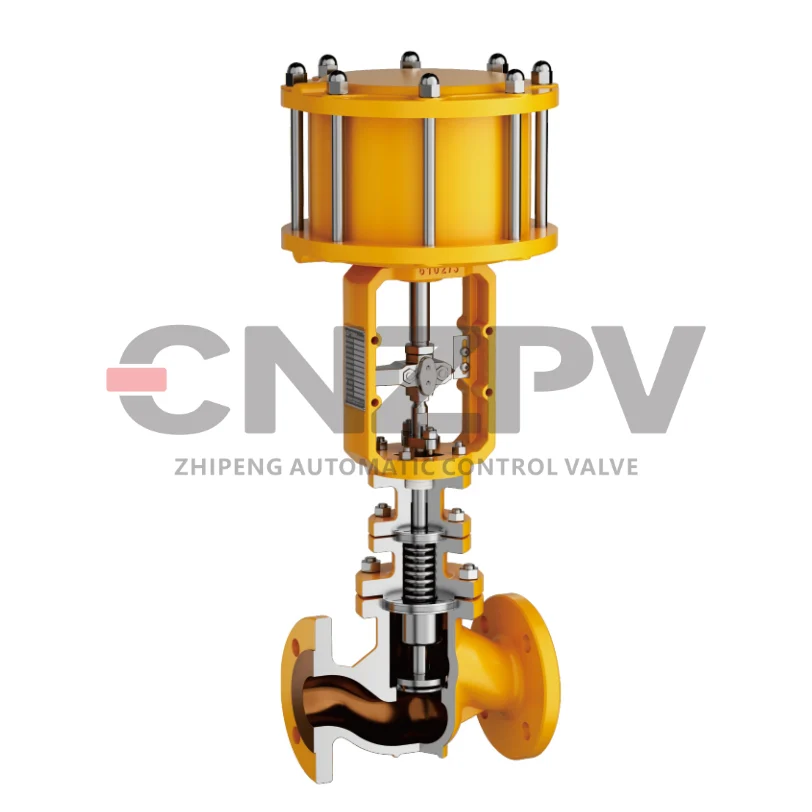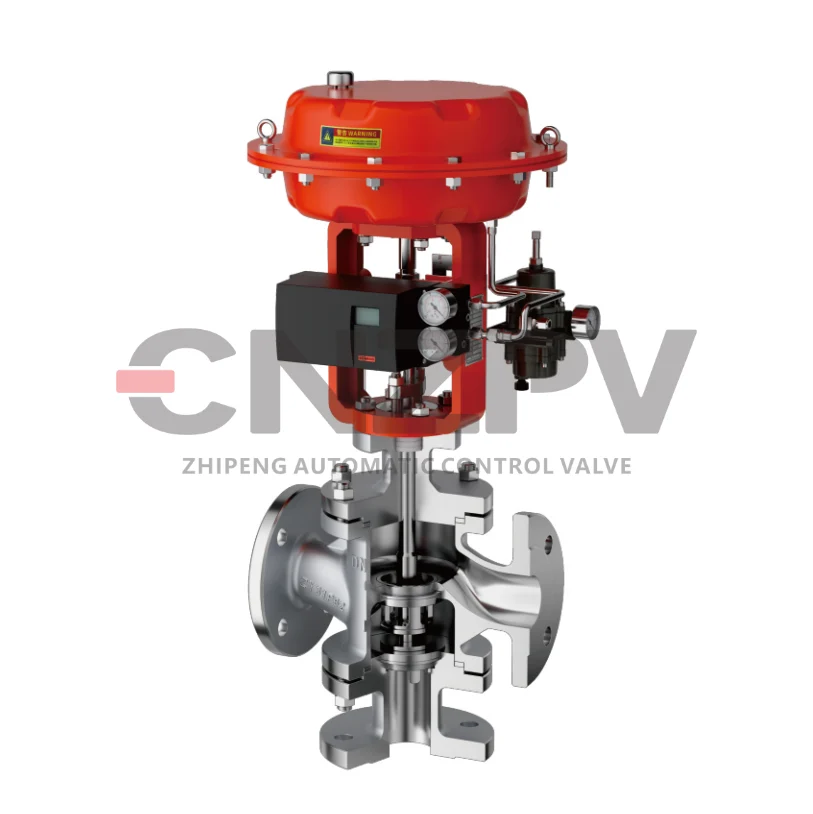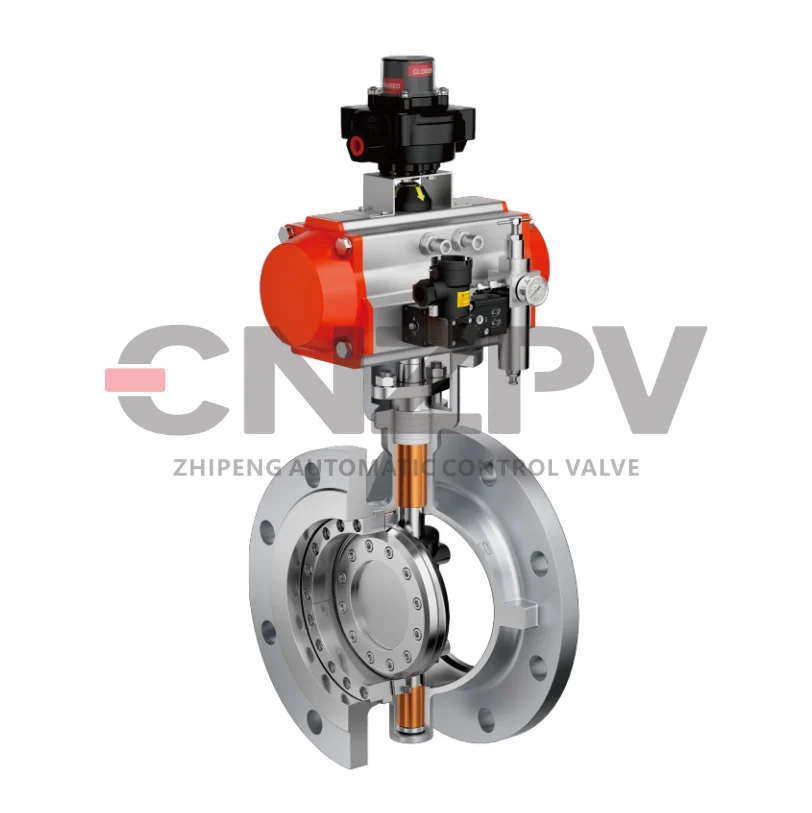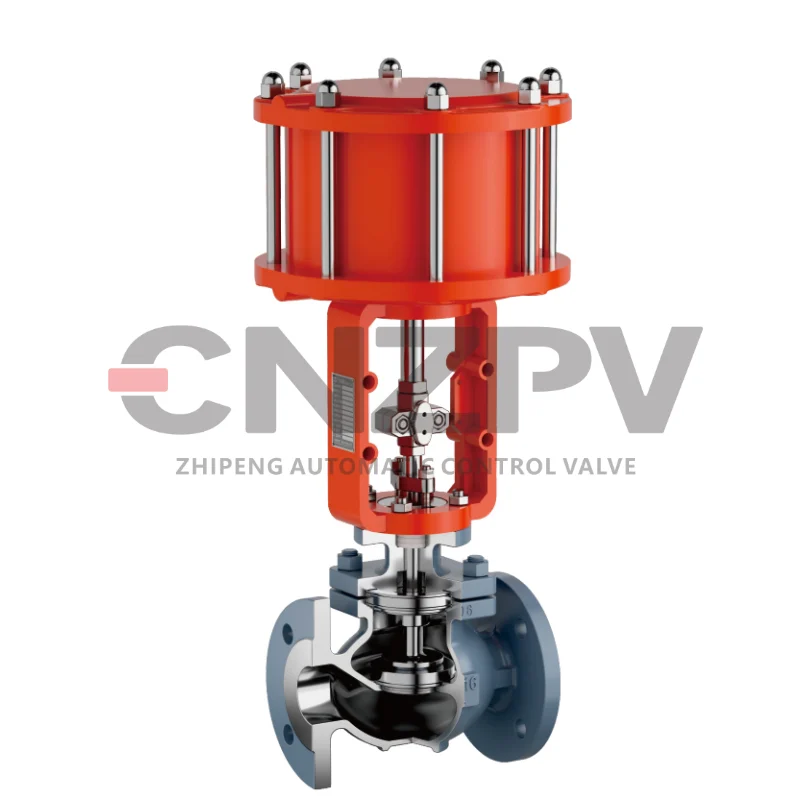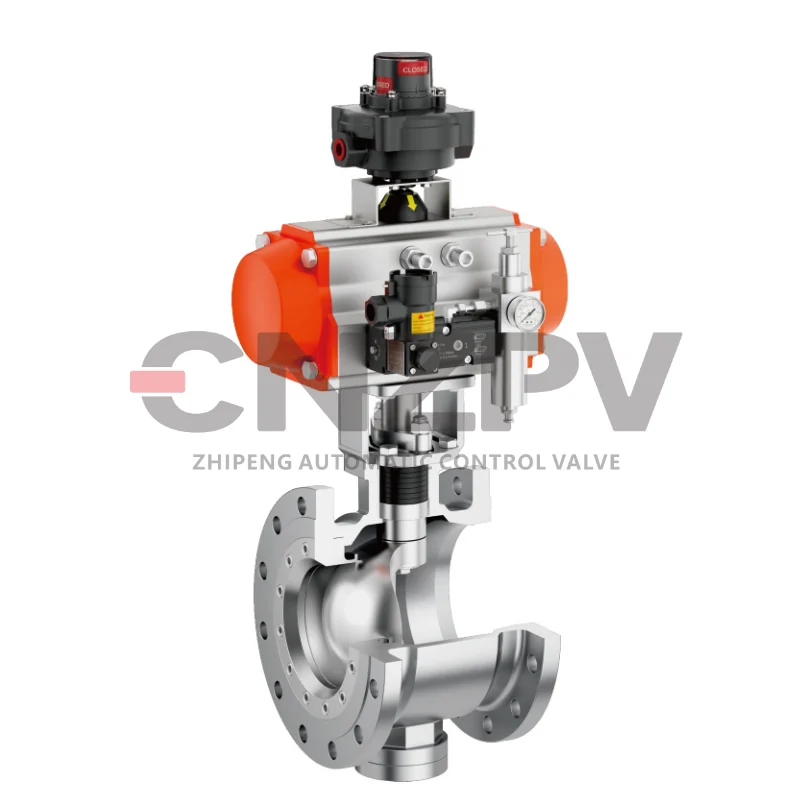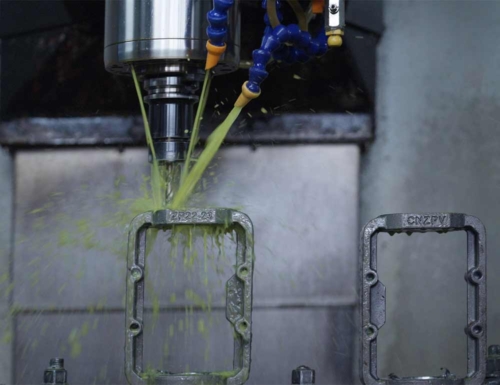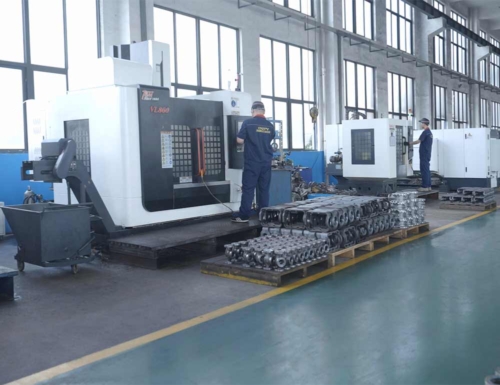
Special metal material control valves are high-end fluid control components designed for extreme operating conditions. They use special metals such as nickel-based alloys, titanium/zr-alloys, and duplex steels as the core valve body materials, replacing ordinary carbon steel or 304/316 stainless steel control valves. These valves address leakage and failure issues under complex conditions such as strong corrosion, ultra-high temperature and pressure, and high wear, making them core supporting equipment for high-end industries like new energy, fluorochemical, and offshore engineering.
When Special Metal Material Control Valves Are Needed
Strong Corrosive Media Conditions
In seawater desalination, offshore oil and gas platforms, and coastal new energy projects, ordinary stainless steel corrodes rapidly with pitting and perforation. Selecting control valves made of nickel-aluminum bronze, titanium, or 2507 duplex steel can ensure stable service for over ten years. Nickel-aluminum bronze, for instance, has a corrosion rate in 3.5% simulated seawater that is only 1/8 that of 316 stainless steel.
Additionally, in extreme corrosive conditions with strong acids or strong alkalis, conventional metals cannot withstand corrosion and leakage even in the short term. It is necessary to specifically use control valves made of Hastelloy, Monel alloy, pure nickel, or 904L alloy to prevent rapid perforation of the valve body and potential safety accidents.

Ultra-High Temperature/High-Pressure Harsh Conditions
In ultra-high-temperature environments such as coal chemical gasification units, concentrated solar power molten salt pipelines, and high-temperature steam transportation, ordinary stainless steel tends to deform and age. Instead, Inconel alloy control valves should be used for their excellent high-temperature creep resistance and sulfur corrosion resistance, maintaining structural stability across a wide temperature range.
Under ultra-high pressure, valves must withstand pressures hundreds of times that of the atmosphere. Titanium alloy or zirconium alloy high-pressure control valves should be selected, capable of withstanding pressures over 100 MPa with exceptional impact resistance.
High Wear Conditions
In scenarios such as mining slurry transport, industrial desulfurization slurries, and chemical slurries with high solid content, ordinary valve sealing surfaces are easily worn by erosion, leading to loss of control accuracy and increased leakage. 2205/2507 duplex steel control valves, with mechanical strength far exceeding that of ordinary stainless steel, provide outstanding erosion and cavitation resistance, significantly extending valve service life.
High Purity/Non-Metallic Precipitation Conditions
In lithium battery electrolyte production, electronic-grade chemical transport, and pharmaceutical fine chemicals, extremely high purity of the medium is required. Metal ion precipitation from ordinary stainless steel can directly contaminate the product. High-purity titanium control valves, offering excellent biocompatibility and no impurity precipitation, ensure complete medium cleanliness and prevent product quality issues.
Long-Cycle Operation Essential Scenarios
In core equipment for green hydrogen, green methanol, and other new energy chemical processes, as well as remote offshore FPSOs and deep-sea exploration, unplanned downtime is extremely costly. Frequent replacement of ordinary valves increases maintenance costs. Special metal material control valves can achieve 3-5 years of maintenance-free stable operation, reducing comprehensive life-cycle costs while meeting SIL3 safety certification requirements and eliminating risks of leakage and explosion.
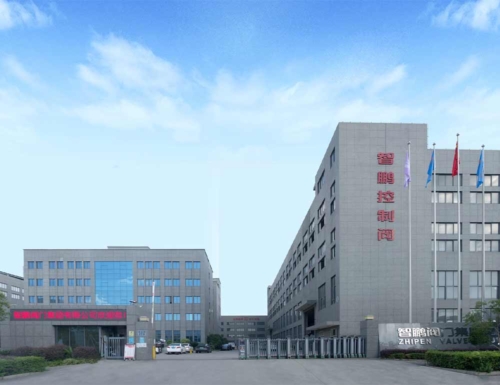
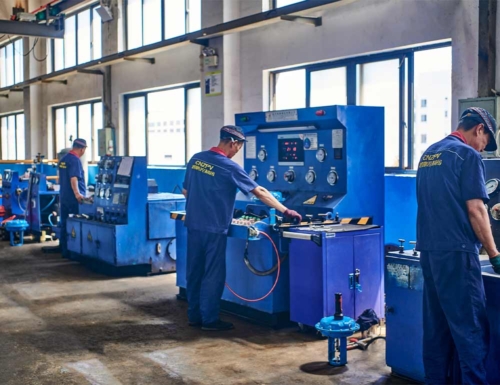
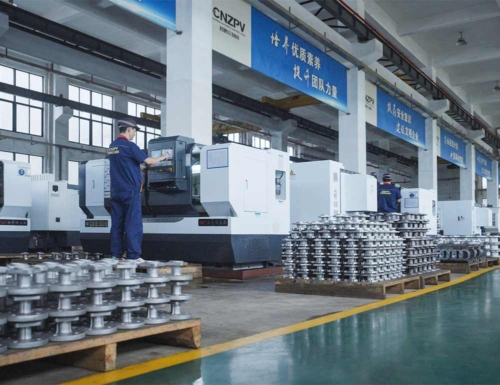
In short, extreme conditions such as ultra-high temperature, high pressure, and severe wear all require valves made of special metal materials. As a professional valve manufacturer, CNZPV not only provides customers with high-quality valves but also delivers premium solutions within the valve industry.
CNZPV presents three types of special metal control valves for you:
Monel Alloy Material
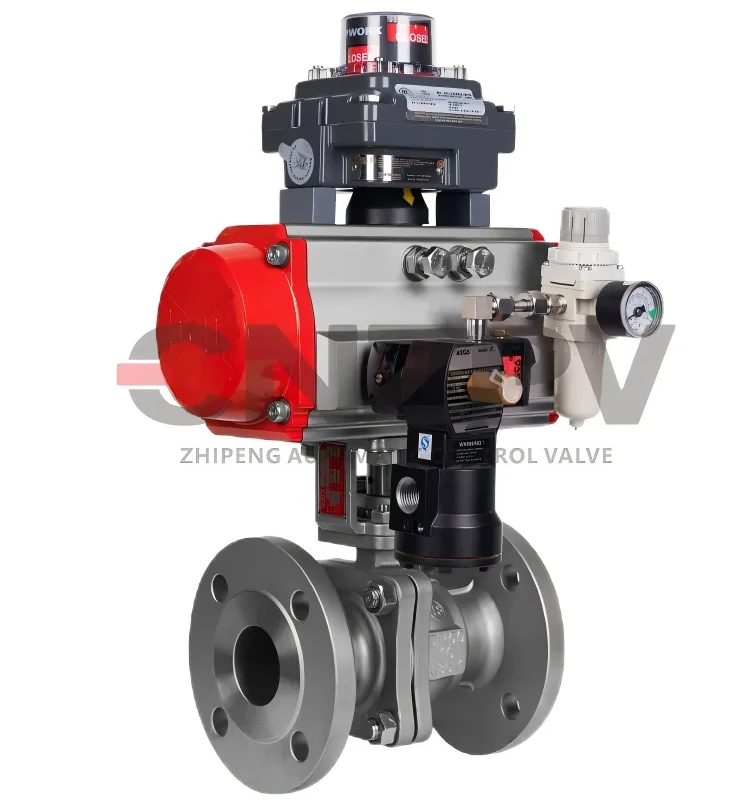
Monel alloy is a high-strength single-phase solid solution and one of the most widely used, abundant, and well-performing corrosion-resistant alloys. Monel alloy valves exhibit excellent corrosion resistance in hydrofluoric acid and fluorine gas media and also perform well against hot concentrated alkalis. Additionally, they resist corrosion from neutral solutions, water, seawater, the atmosphere, and organic compounds. An important feature of this alloy is that stress corrosion cracking seldom occurs, and it has good machinability.
Nickel-Based Alloy (HC276) Material
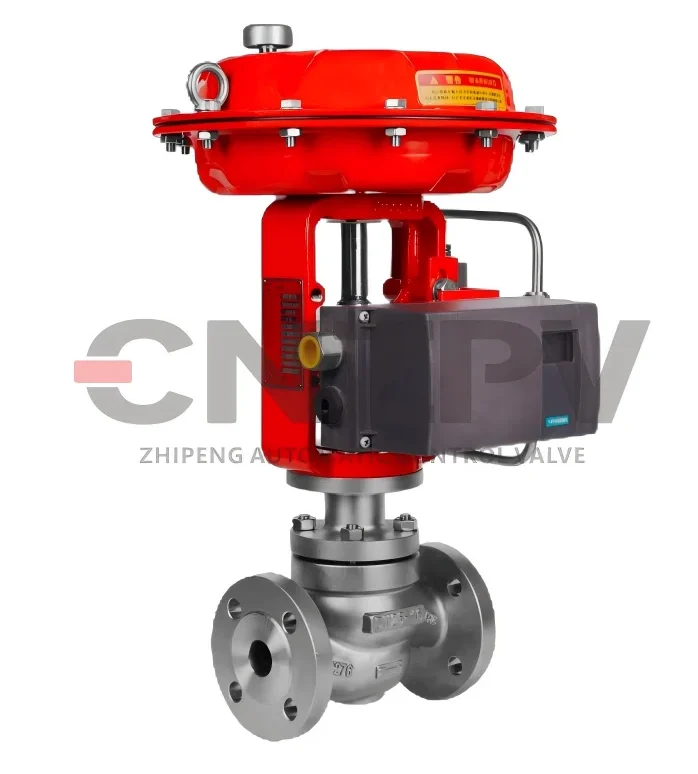
Hastelloy C-276 is a nickel-chromium-molybdenum alloy and a high-performance nickel-based superalloy. This alloy is widely praised for its exceptional corrosion resistance and high-temperature strength, particularly its resistance to chlorides. HC276 alloy is extensively used in chemical, petrochemical, marine engineering, nuclear industries, and some medical equipment.
Titanium Alloy (TA2) Material
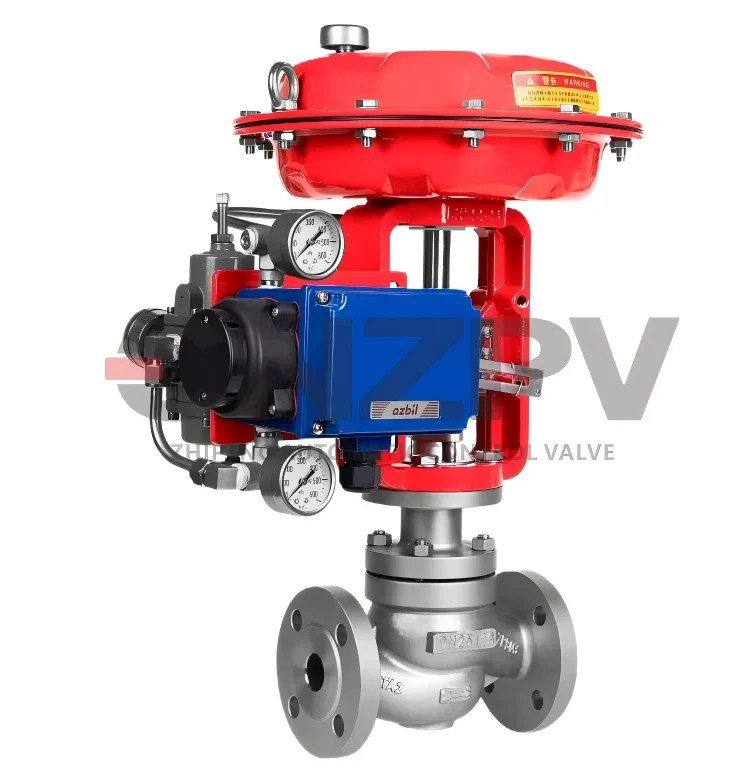
TA2 titanium alloy features low density, high strength, excellent corrosion resistance, and superior machinability. Its density is only 4.5 g/cm³, lighter than many common metals, yet its strength exceeds 800 MPa and can even reach 1000 MPa. This makes it particularly suitable for applications requiring weight reduction while maintaining high strength.
CNZPV has always adhered to the philosophy of ‘Dedication, Innovation, Excellence, and Service.’ We continuously follow the technological development trends of control valves to meet the diverse needs of our customers.