Among anti-corrosion materials, polytetrafluoroethylene (PTFE) boasts unparalleled performance. With the exception of molten metals, elemental fluorine, and aromatic hydrocarbons, it resists corrosion from hydrochloric, sulfuric, and nitric acids (including aqua regia), organic acids, strong oxidizers, concentrated or dilute acids, alkaline solutions, and various organic solvents.
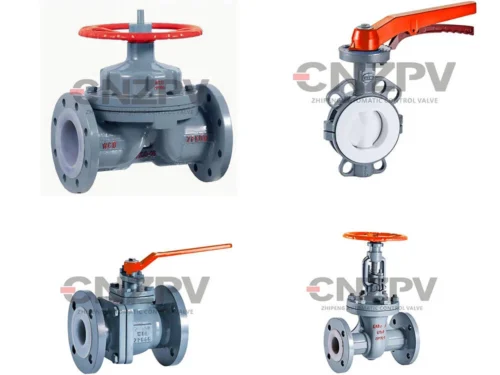
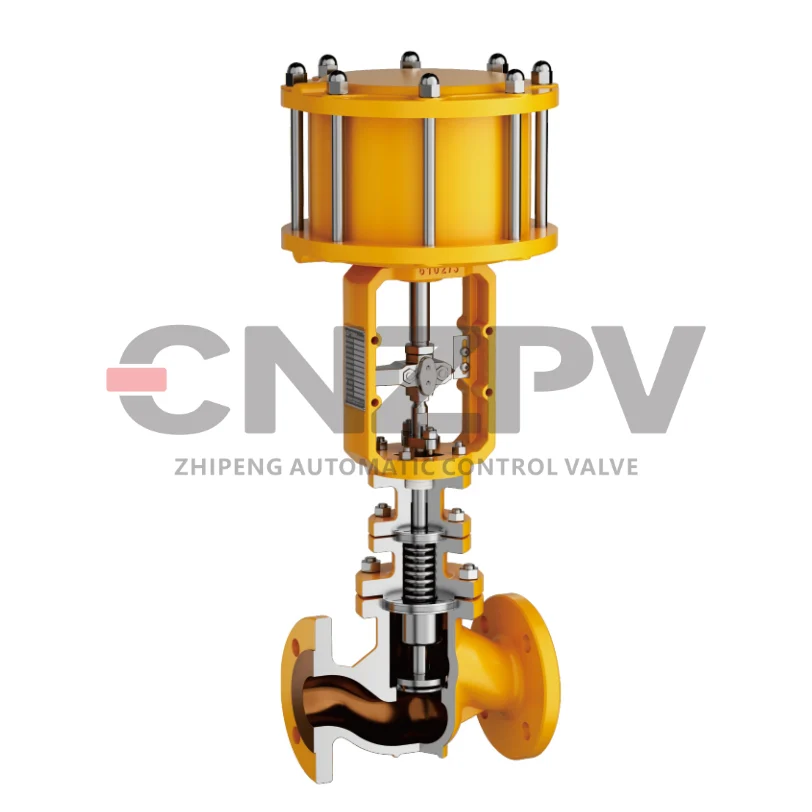
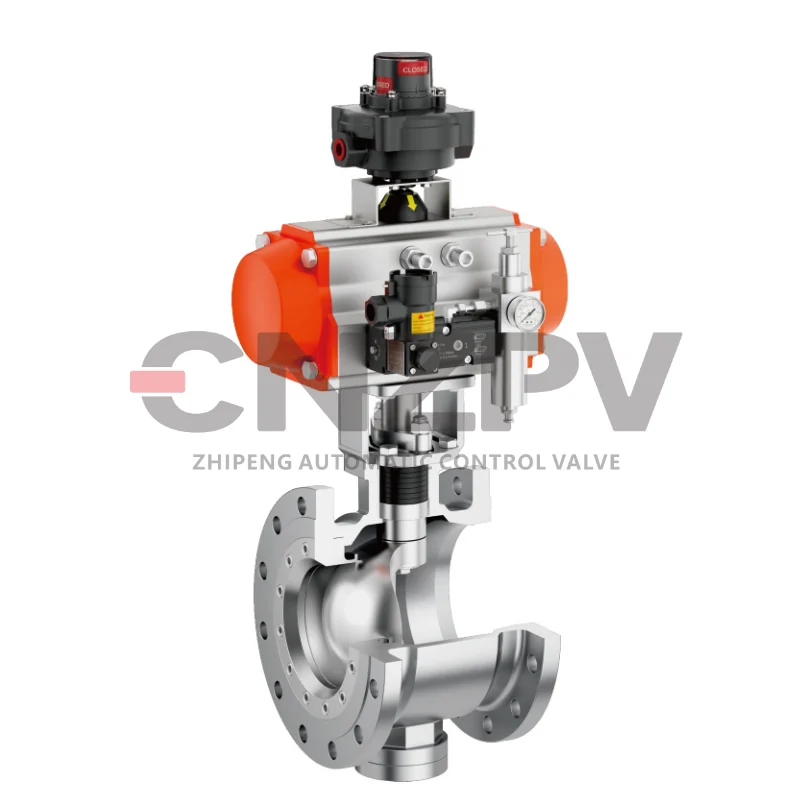
Fluorine-lined valves are manufactured by molding (or inlaying) PTFE resin onto the inner walls of pressure-bearing components or the outer surfaces of internal parts of steel or iron valves. Leveraging its unique corrosion resistance, this material is used to produce various types of valves and pressure vessels.
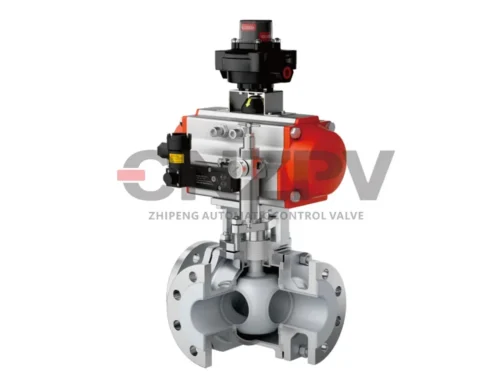
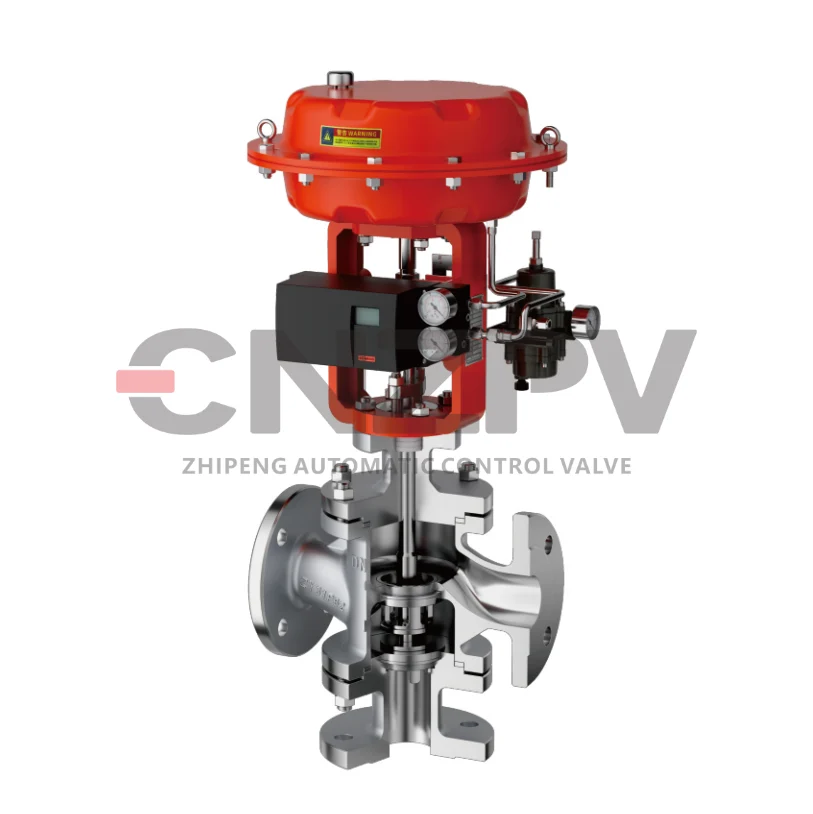
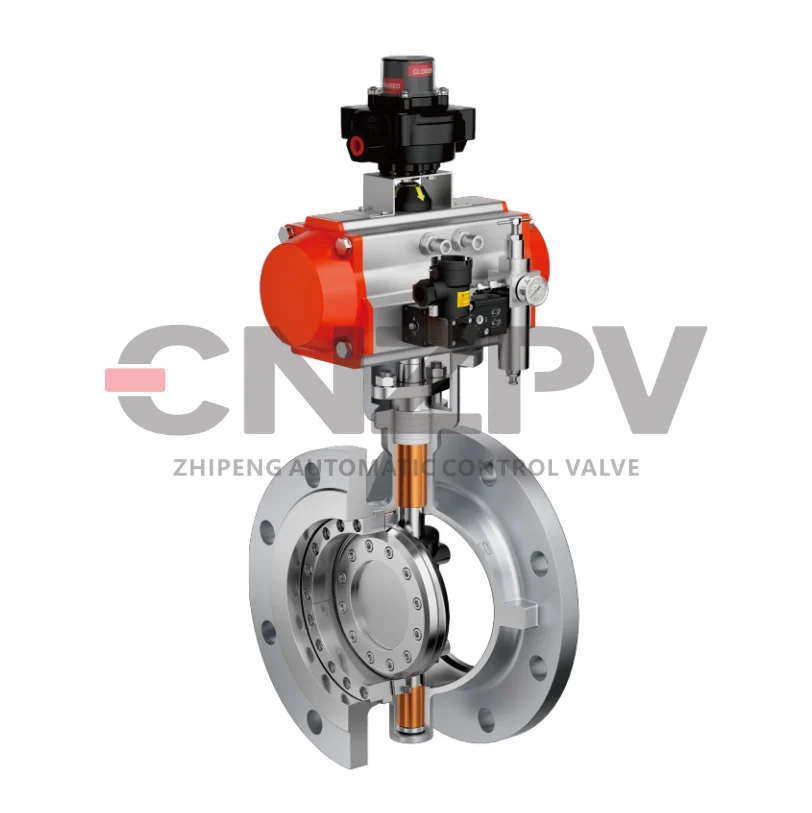
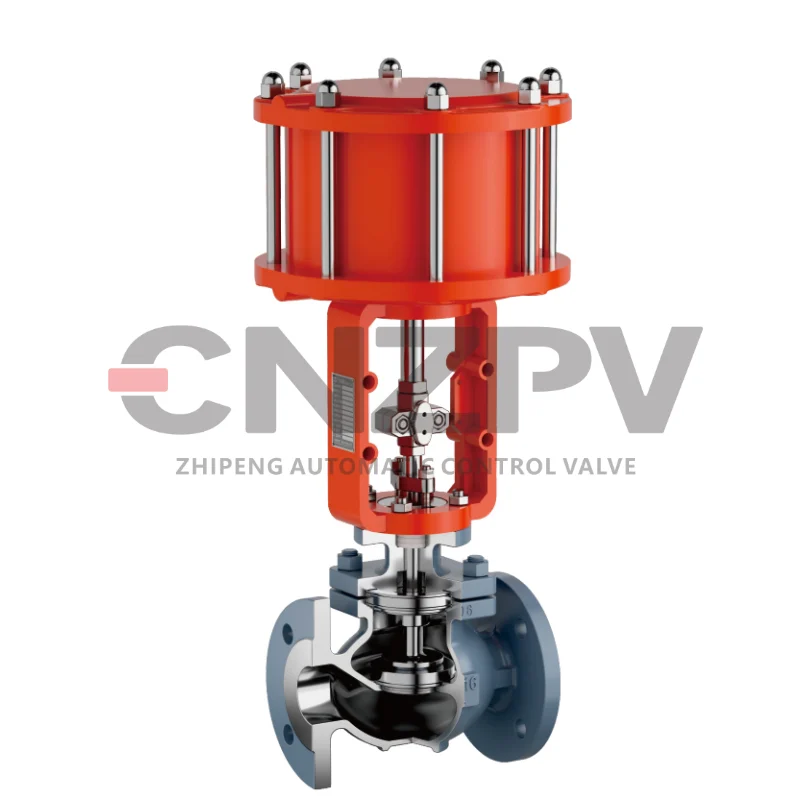
Thanks to their superior corrosion resistance, sealing performance, and durability, fluorine-lined control valves are frequently used in harsh operating conditions. Improper use can lead to significant financial losses and serious consequences. What specific details should be attended to during actual operation to ensure effective protection?
Before Use
Carefully read the instruction manual for the fluorine-lined valve; this is a simple yet easily overlooked step. We often rely on past experience and overlook the differences between specific valves. Always operate the valve strictly within the pressure, temperature, and media compatibility limits specified on the nameplate or in the manual.
During Use
Never use leverage tools to operate the valve. Pay attention to the open/close position indicators and limit stops; once the valve has reached the fully open or closed position, do not force it further, as this can cause premature damage to the fluoroplastic sealing surfaces.
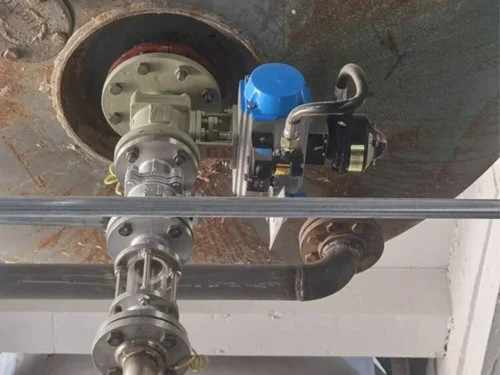
Prevent excessive pipeline stress on the valve caused by temperature fluctuations; minimize temperature variations and install U-shaped expansion joints upstream and downstream of the valve.
Considerations Regarding the Medium
For unstable media prone to decomposition, take measures to eliminate or limit the factors that trigger such decomposition. When selecting a valve, account for potential operational changes caused by medium instability and prioritize models equipped with automatic pressure relief devices.
For fluorine-lined valves installed on pipelines transporting toxic, flammable, explosive, or highly corrosive media, replacing the packing while the valve is under pressure is strictly prohibited. Although fluorine-lined valves are designed with a back-sealing function, replacing the packing while the valve is under pressure is not recommended.
For pipelines transporting media prone to auto-ignition, measures must be taken to ensure that both ambient and operating temperatures remain below the medium’s auto-ignition point, thereby preventing hazards caused by sunlight exposure or external ignition sources.
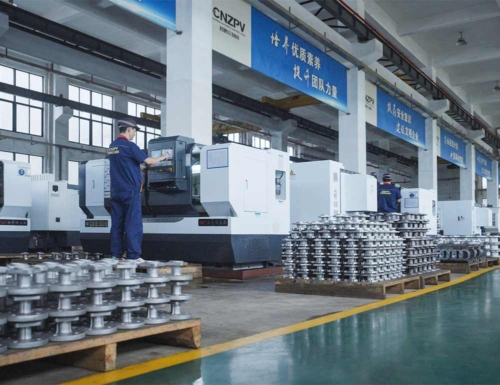
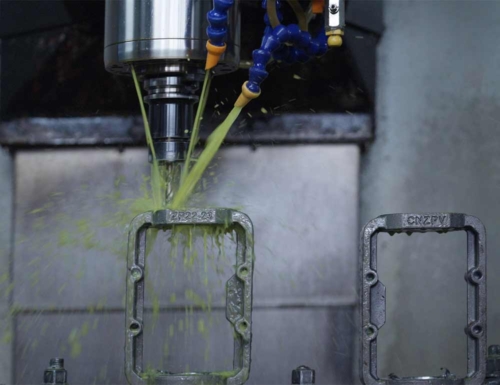
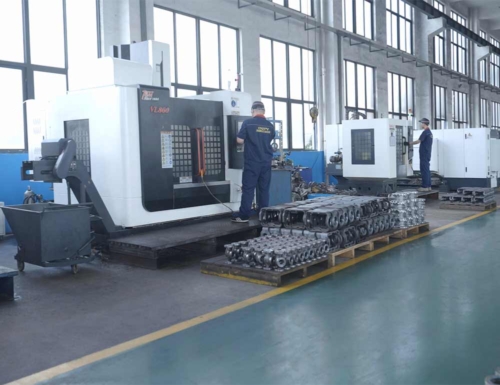
CNZPV specializes in manufacturing high-performance fluorine-lined control valves. Our products offer the following advantages:
- Exceptional Durability: Engineered to withstand extreme chemical operating conditions.
- Cost-Effectiveness: Long-lasting valves that effectively reduce maintenance costs and downtime.
- Global Standards Compliance: Certified to multiple international standards (ISO, API, CE).
Contact us for a free consultation to learn how our valves can help you solve challenges in your specific applications.