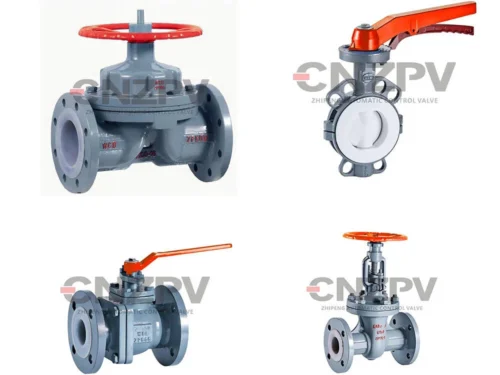
When dealing with corrosive media, stringent sealing requirements, or challenges related to environmental protection and safety, fluorine-lined ball valves are an intelligent solution. A deeper understanding of these valves enables more informed selection, ultimately enhancing the efficiency and reliability of industrial production.
Structure of Fluorine-Lined Ball Valves
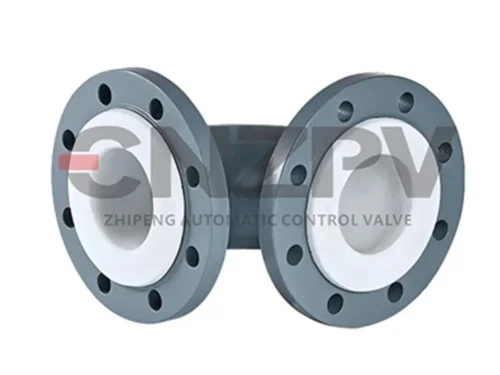
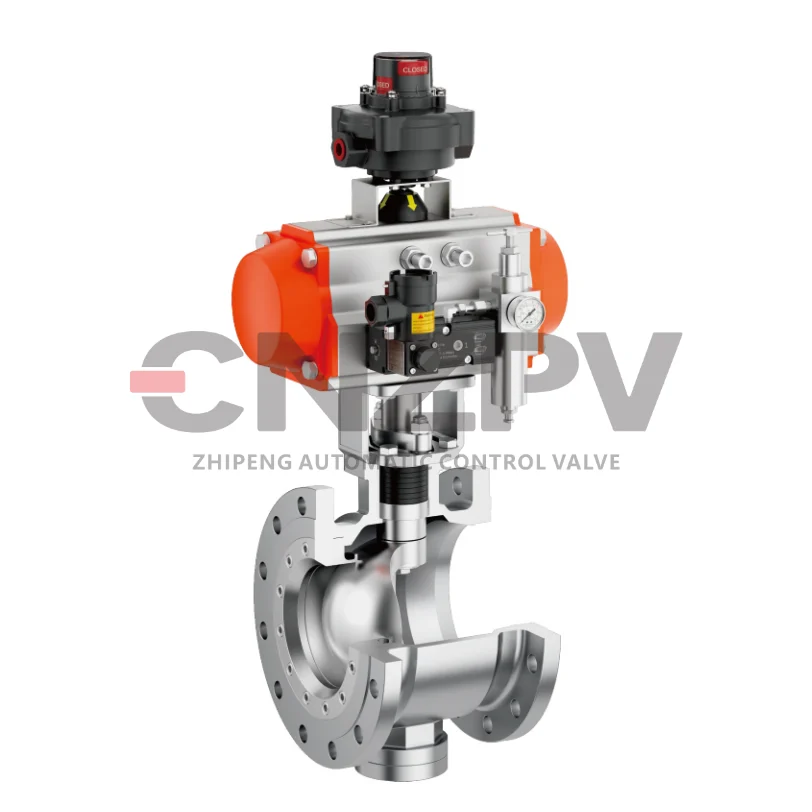
The core of a fluorine-lined ball valve lies in its composite design: a load-bearing metal framework combined with a full internal lining of fluoroplastic for corrosion resistance. The process medium comes into contact exclusively with the fluoroplastic, completely isolating the metal substrate from highly corrosive substances.
- Valve Body: A metal outer shell (carbon steel or stainless steel) provides the necessary pressure-bearing capacity, while the internal cavity, flow passages, and flange faces are lined with a 2.5–6 mm thick layer of fluoroplastic.
- Ball: The opening and closing element, featuring a circular through-hole. The metal substrate is fully encapsulated in fluoroplastic; a 90-degree rotation transitions the valve between fully open and fully closed positions.
- Valve Seat: Made entirely of fluoroplastic, the seat utilizes elastic deformation to maintain a tight fit against the ball, ensuring zero-leakage sealing in both directions.
- Valve Stem: Integrated with the ball (via casting or forging), this design eliminates the risk of the stem being ejected due to sudden pressure surges. It employs V-shaped PTFE packing to ensure a dynamic seal.
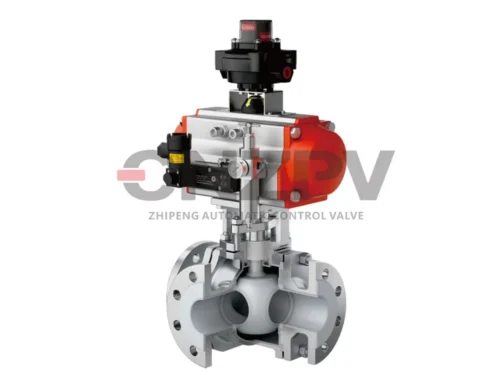
- Actuation: Supports various operating methods—including manual, worm gear, pneumatic, and electric—to accommodate both on-site manual operation and remote automated control.
Advantages of Fluorine-Lined Ball Valves
Handling Corrosive Media
Fluorine-lined ball valves excel in managing corrosive media. In systems containing strong acids, strong bases, or other aggressive substances, these valves effectively prevent corrosion and damage, thereby ensuring system stability and long-term operational integrity.
Stringent Sealing Requirements
By combining a ball-based mechanism with a fluoroplastic lining, these valves offer exceptional sealing performance, significantly reducing the risk of leakage. They are a reliable choice for applications where strict sealing standards are required.
Environmental and Safety Applications
Fluorine-lined ball valves play a vital role in environmental engineering, helping to minimize environmental impact. The selection of fluorine-lined ball valves reflects a commitment to high environmental and safety standards, making them particularly well-suited for demanding industrial applications.
Handling Complex Process Media
For challenging process media—such as highly corrosive liquids—the structural design of fluorine-lined ball valves allows them to adapt effectively to complex operating conditions, ensuring reliable valve performance.
Applications for Fluorine-Lined Ball Valves
On/off control for highly corrosive media
Fluorine-lined ball valves excel in process pipelines handling highly corrosive substances, a common requirement in industries such as chemical manufacturing, acid and alkali production, and agrochemicals. They are compatible with a vast range of strong acids, strong bases, and powerful oxidizing agents—including concentrated hydrochloric acid, concentrated sulfuric acid, caustic soda (sodium hydroxide), sodium hypochlorite, and hydrofluoric acid. While conventional stainless steel valves (such as those made of 316L) would quickly corrode and fail when exposed to such media, fluorine-lined ball valves offer long-term, stable operation, significantly reducing the frequency of replacements.
Stable transport within standard temperature and pressure ranges
For routine applications—such as chemical wastewater treatment or the transport of low-pressure acid/alkali solutions—fluorine-lined ball valves offer a simple, cost-effective solution.
They provide reliable, long-term service within a temperature range of -50°C to 180°C, depending on the specific lining material used (F46 for temperatures up to 150°C; PTFE for temperatures up to 180°C).
With a pressure rating typically between PN 1.0 and PN 2.5 MPa, these valves operate within their optimal design range, ensuring superior sealing performance and structural stability.
Automated control requiring frequent, rapid opening and closing
Fluorine-lined ball valves require only a 90° rotation of the ball to transition between fully open and fully closed positions. This enables rapid actuation with minimal operating torque, making them ideal for processes that demand frequent cycling. They can be paired with pneumatic or electric actuators for remote, PLC-based automated control—even in explosion-proof environments. Typical applications include automated, corrosion-resistant piping systems in the chlor-alkali and fine chemical industries.
Applications Involving High-Purity Media with No Adhesion
The inner surface of the fluoroplastic lining is exceptionally smooth, preventing media from crystallizing or adhering to the pipe walls and ensuring an unobstructed flow path with no residue. For the transport of high-purity acids or clean pharmaceutical solutions—common in the pharmaceutical, semiconductor, and photovoltaic industries—versions with PFA linings can meet stringent sanitary requirements.
Applications Requiring Flow Diversion, Merging, or Directional Switching
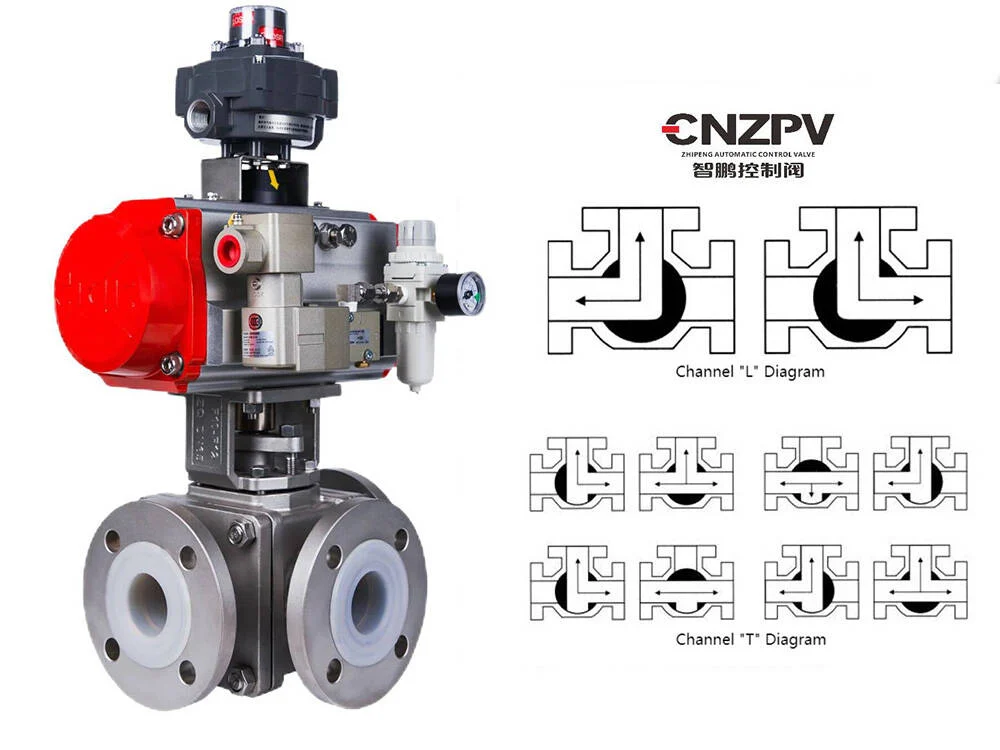
Three-way fluoroplastic-lined ball valves (available in L-port or T-port configurations) enable the direct diversion, merging, or switching of corrosive media. By eliminating the need for multiple standard valves, they simplify piping systems and reduce potential leak points caused by corrosion. In scenarios such as switching between different chemical agents or distributing media across multiple reactors, these valves significantly lower both system complexity and maintenance costs.
Conclusion
Fluoroplastic-lined ball valves are specifically engineered to control the flow (on/off) of highly corrosive media. Widely used across sectors including petroleum, chemical processing, textile printing and dyeing, and acid/alkali production, they represent an ideal solution for anti-corrosive valve applications.