
Balancing Cost and Performance: Fluorine-Lined Valves vs. Alloy Valves
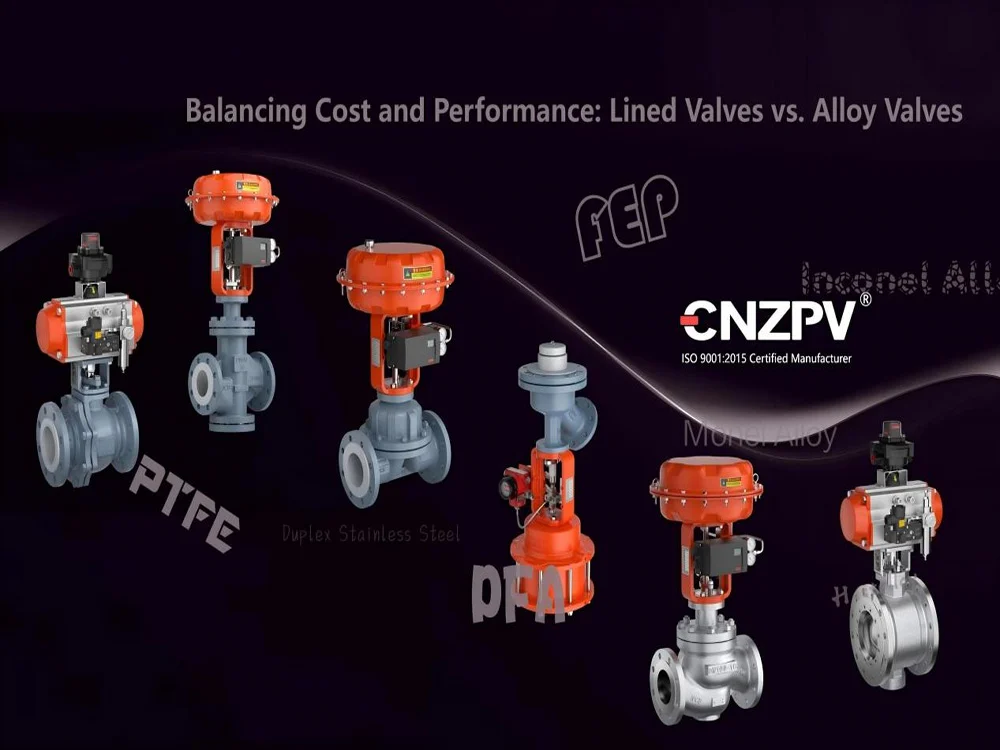
In industrial fluid control systems, valve selection plays a critical role in determining both operational efficiency and long-term economic performance. The choice between fluorine-lined valves and high-performance alloy valves represents a significant technical and financial decision that requires careful analysis of multiple factors.
How to Identify High-Quality Lined Control Valves: 7 Critical Quality Indicators
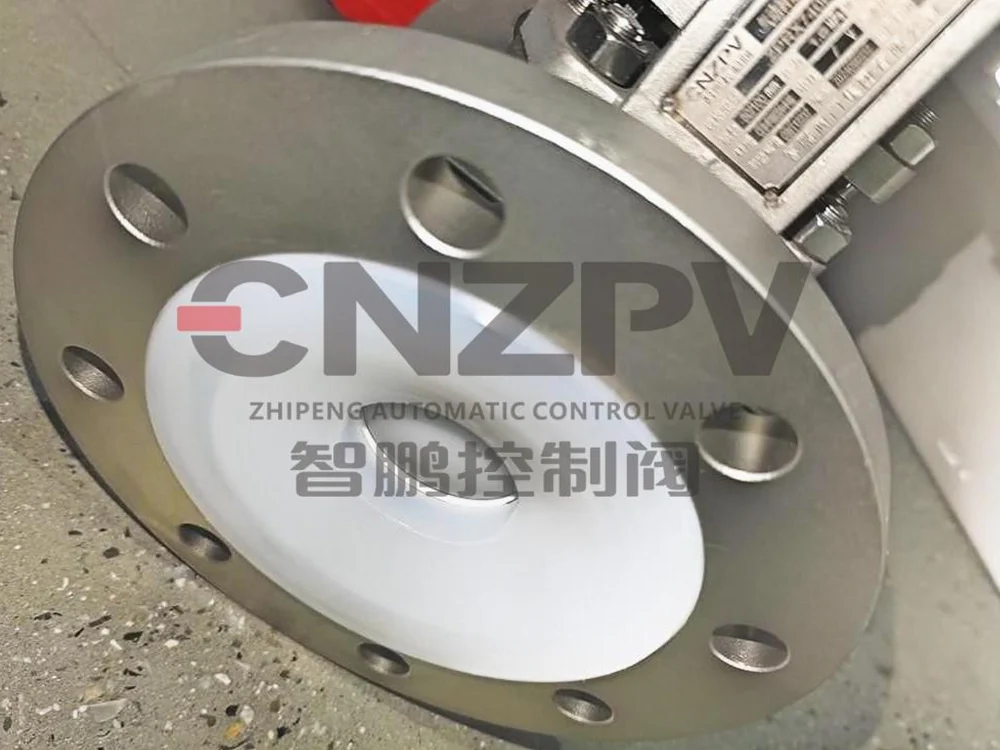
When selecting lined control valves (such as PTFE-lined, PFA-lined, or other fluoropolymer-lined valves) for corrosive or high-purity applications, quality is non-negotiable. Poor-quality valves can lead to leaks, premature failure, and costly downtime.To help you make an informed decision, here are 7 key quality indicators to evaluate when choosing a lined control valve.
High-Inlet vs. Low-Inlet Control Valves: Distinct Features and Practical Uses
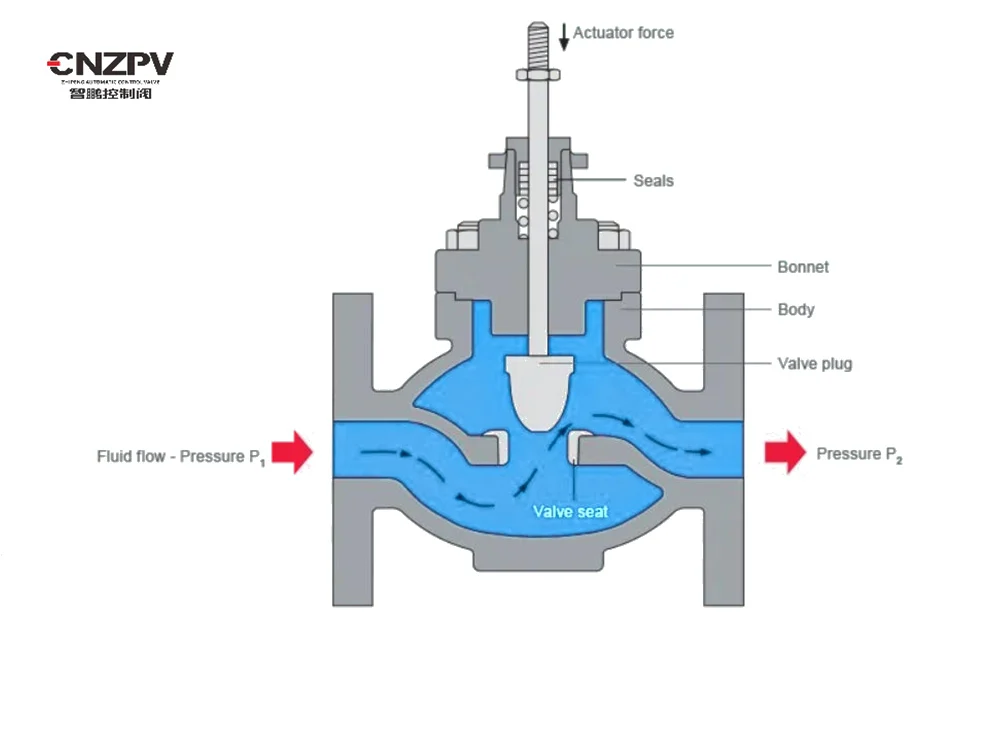
Control valves play a vital role in industrial fluid systems, enabling accurate flow regulation. A crucial design aspect is the flow direction – high-inlet low-outlet (HILO) or low-inlet high-outlet (LOHI). Picking the appropriate flow direction can enhance valve performance, prolong service life, and avoid operational problems.
Control Valve Corrosion & Chemical Compatibility: A Complete Guide
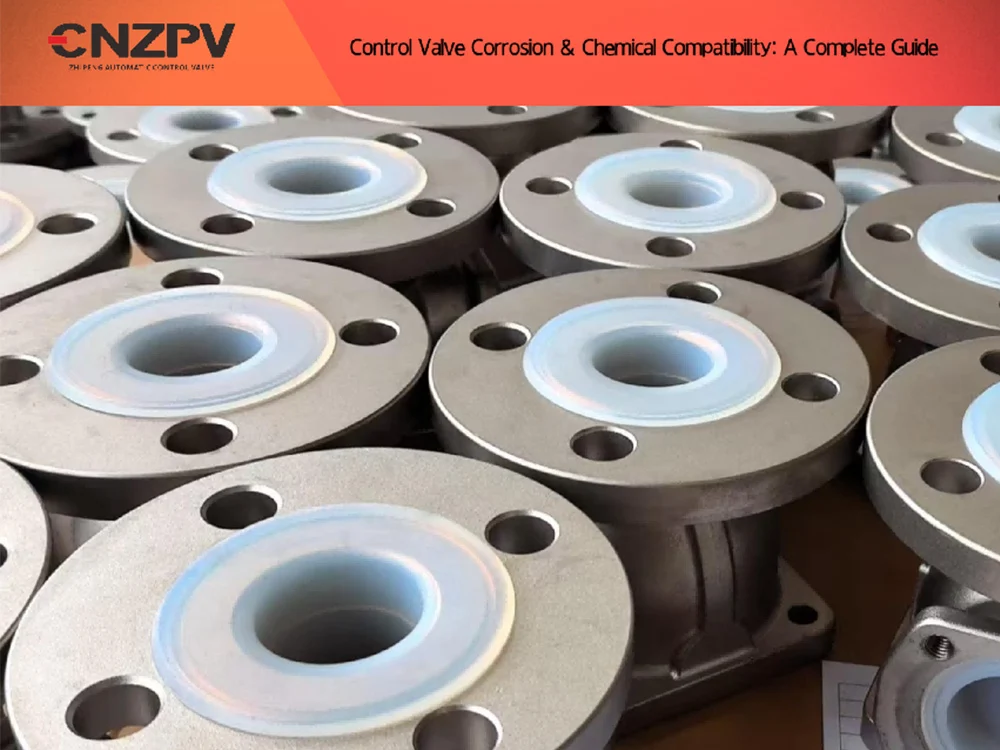
What is chemical compatibility?The wetted parts of valves may be constructed from a number of materials:Metals (for example: cast iron, stainless steel, nickel alloys) for casings and other components where mechanical strength is important.Thermoplastics (for example: PTFE,PFA,FEP) for casings, linings, bearings, gaskets and seals when dealing with corrosive chemicals.
Deputy District Chief of Longwan District, Visits Zhipeng Valve Group Co., Ltd.
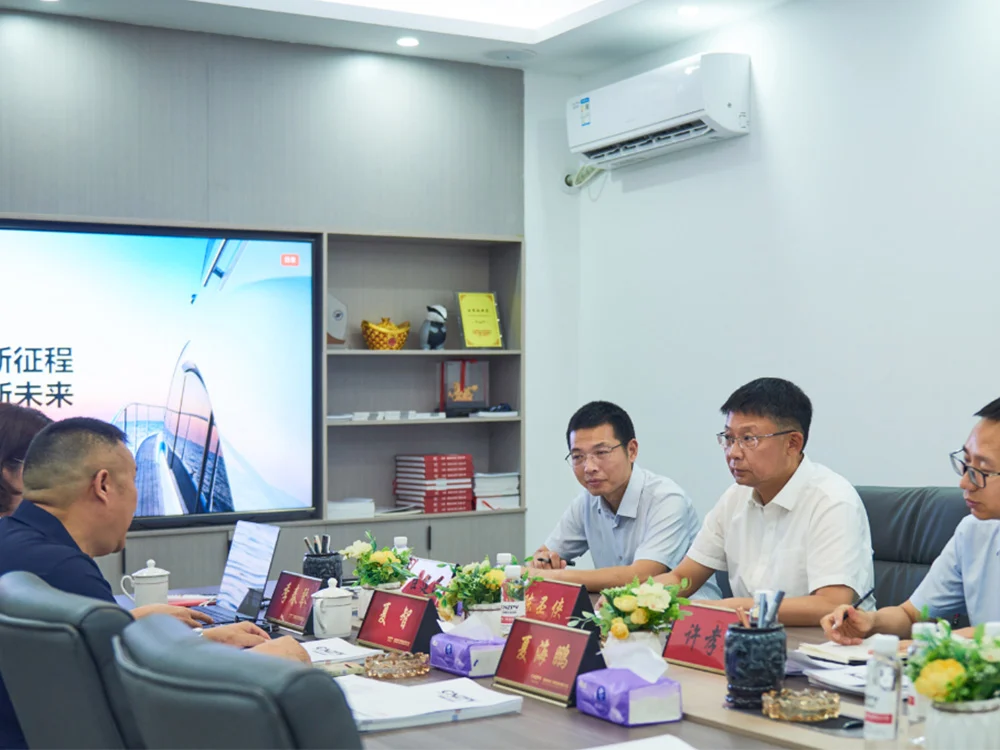
On June 10, 2025, Chen Pixia, Deputy District Chief of Longwan District, led a team to visit Zhipeng Valve Group Co., Ltd. to gain an on-site understanding of the company’s production and operations, listen to its needs, and support its development. Mr. Xia Zhi, CEO of Zhipeng Valve, and the company’s management team accompanied the delegation throughout the visit. This engagement strengthened communication between the government and the enterprise. Zhipeng Valve Group will continue to leverage its industry advantages, enhance technological innovation, and strive to achieve high-quality development.
7 Proven Strategies to Extend Control Valve Lifespan & Reduce Downtime
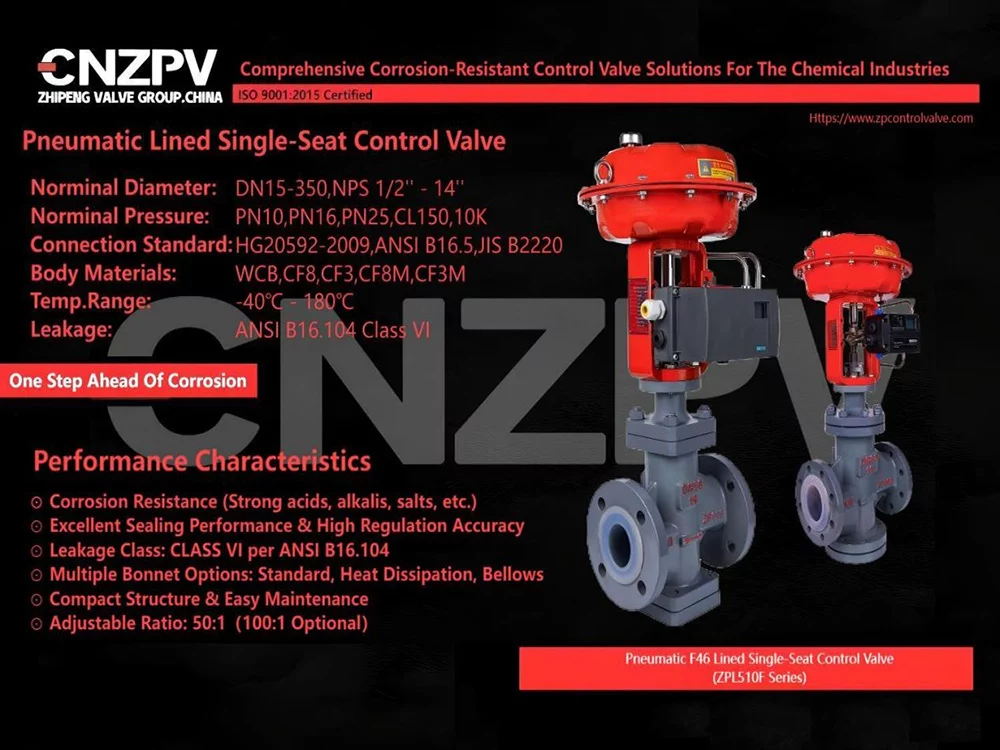
Control valves are the unsung heroes of industrial processes, silently regulating flows in harsh environments. Yet, 43% of premature valve failures stem from preventable issues like improper maintenance or cavitation (2023 Valve Industry Report). By implementing these 7 data-backed strategies – including specialized fluorine-lined valve applications – you can boost valve service life by 50% or more while cutting replacement costs.
Exhibition Notice
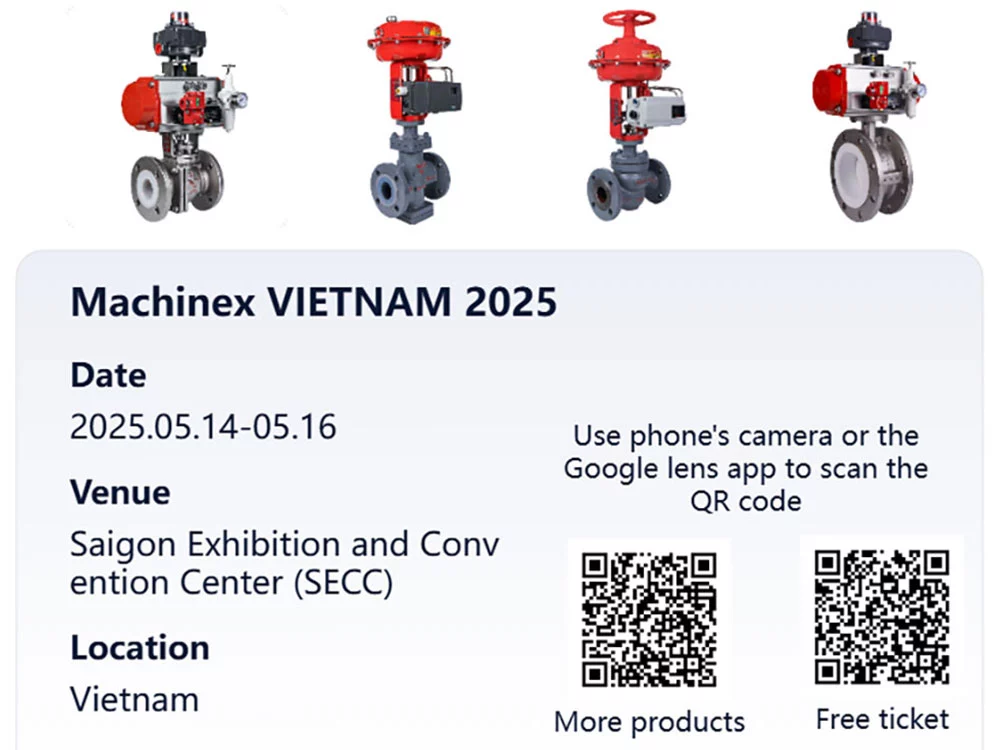
We are delighted to announce that Zhipeng Valve Group Co., Ltd., a verified supplier, will be participating in Machinex VIETNAM 2025. This is a significant event in the industrial machinery and equipment sector, and we look forward to showcasing our latest valve products and technologies.
Lined V-Notched Control Ball Valves: Industrial Applications & Benefits
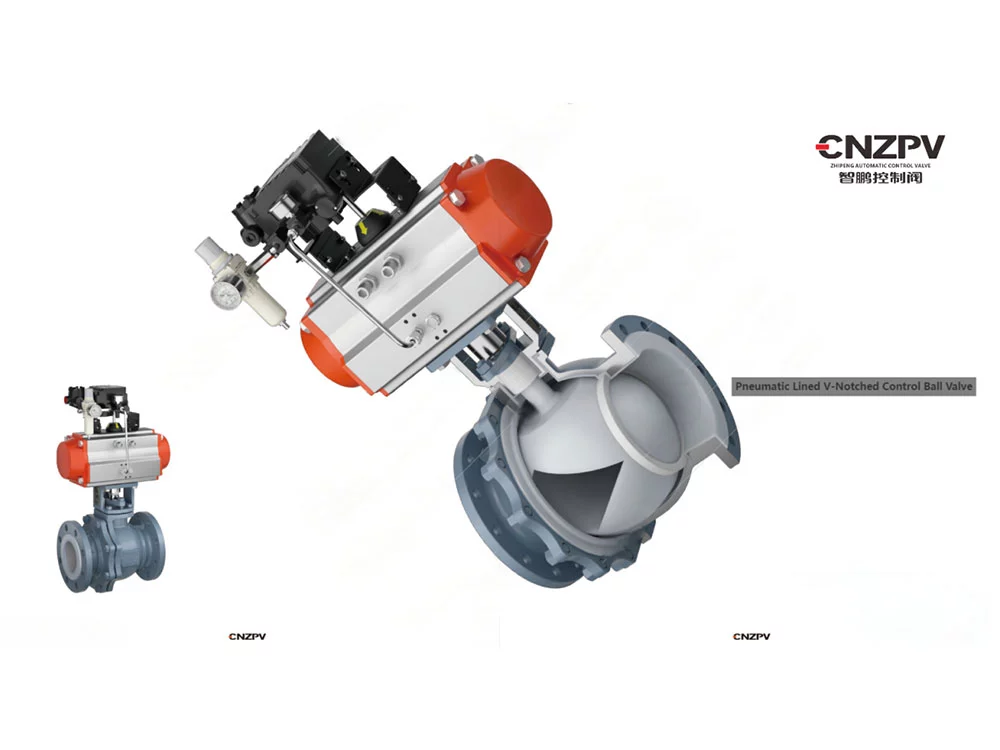
In industrial fluid control systems where precise regulation, corrosion resistance, and long-term reliability are critical, Lined V-Notched Control Ball Valves offer a superior solution. Unlike standard ball valves, these specialized valves feature a V-shaped notch in the ball and advanced fluoropolymer lining, making them ideal for throttling, modulating flow, and handling aggressive media.
Factory Acceptance Testing (FAT) for Control Valves: Valve Position & Actuator Direction Verification
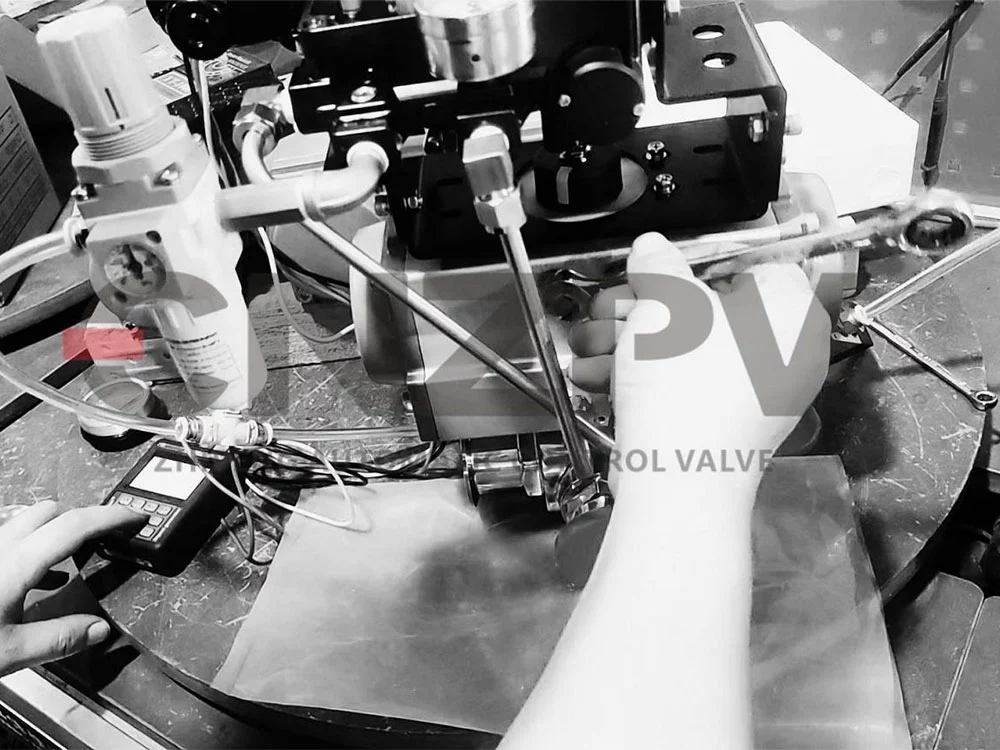
Meta Description: Ensure proper control valve operation with our step-by-step FAT guide covering ANSI/ISA 75.25, ISO 5208, and API 6D compliant testing procedures for valve positioning & pneumatic actuator alignment.
Global Valve Standards: ANSI, API, ASME,BS, GB, and Beyond
Many kinds of valves are used in the industrial process, and to ensure proper functionality, compatibility, and safety for end-users, EPC, or engineering, every country has particular organizations to make standards.