
Industrial Valve Corrosion and Material Selection General Manual
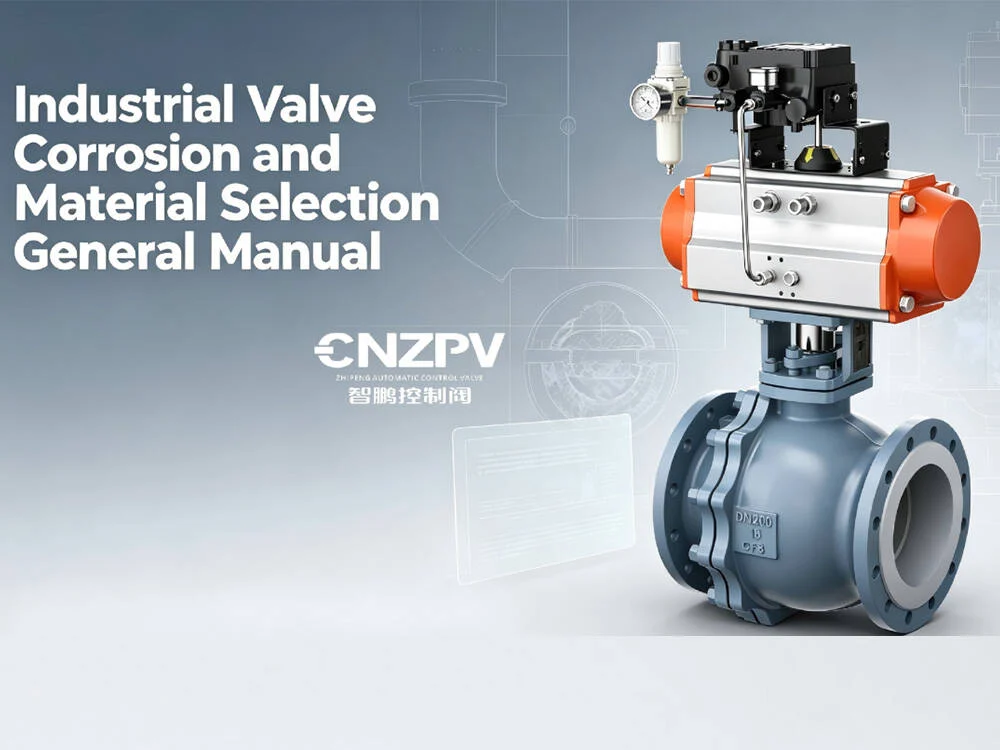
This professional valve corrosion and material selection manual is independently compiled and summarized by the CNZPV technical team based on years of industrial valve R&D, manufacturing and on-site engineering service experience. All content is focusing on practical industrial application scenarios to provide standardized and reliable material selection guidelines for global engineering purchasers, technicians and system integrators.
What Is a Diaphragm Valve
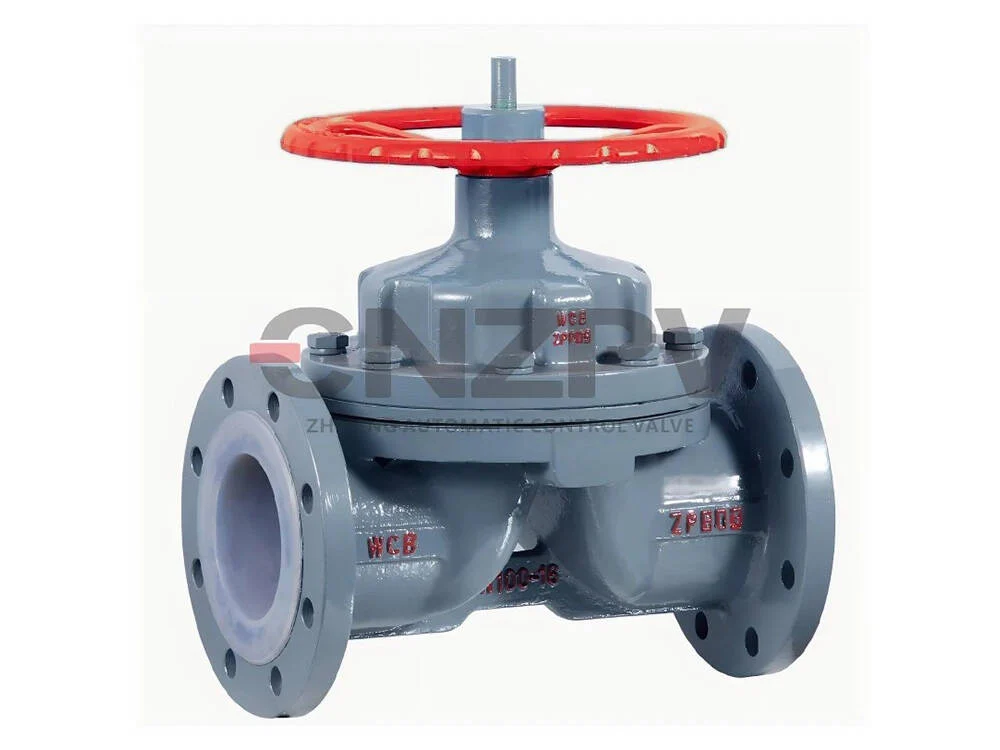
In industrial production, media leakage is undoubtedly a troublesome issue, and preventing it is a key concern for industry professionals. For valve manufacturers, producing high-quality valves capable of addressing these practical challenges is a top priority.
The diaphragm valve is a type of shut-off valve with a unique design. Its core feature is the use of a flexible diaphragm to completely isolate the valve body’s flow path from the actuating mechanism. This design eliminates the risk of internal components corroding due to media contact and removes the potential for leaks often associated with traditional sealing packing.
Cage-Guided Single-Seat Regulating Valve: What You Need to Know
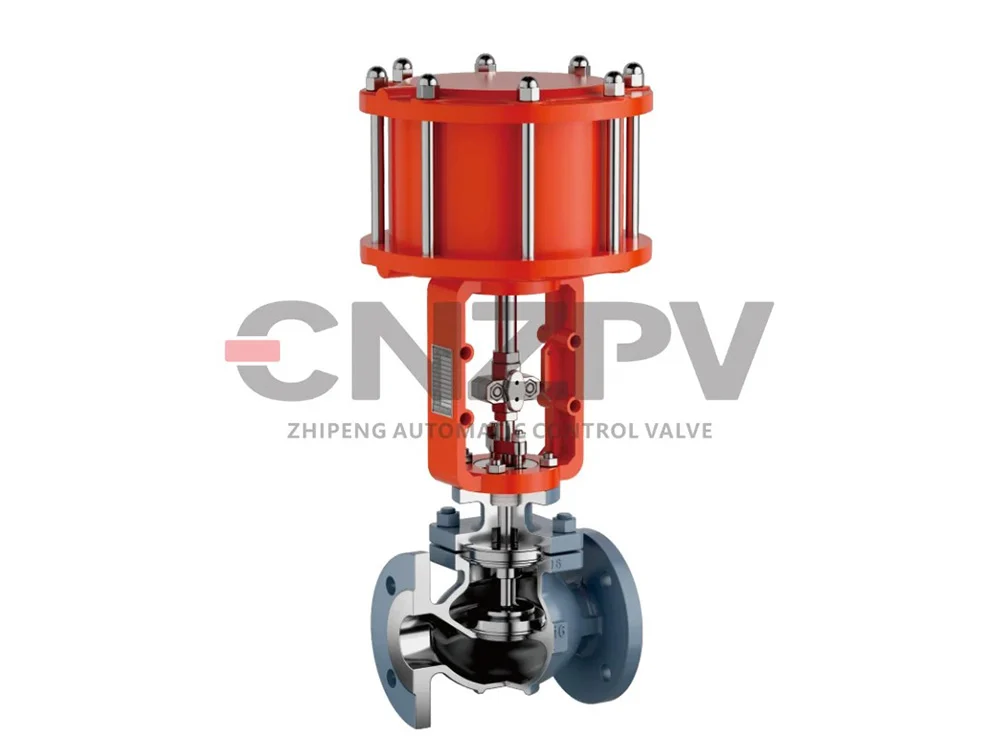
The cage-guided single-seat regulating valve is an industrial automation fluid control device that combines the superior sealing characteristics of a single-seat valve with the high stability of a cage-guided valve, enabling precise control of process parameters. It is widely used in process industries such as petrochemicals, metallurgy, and power generation.
CNZPV Successfully Concluded the 2026 Wenzhou International Pump & Valve Exhibition!
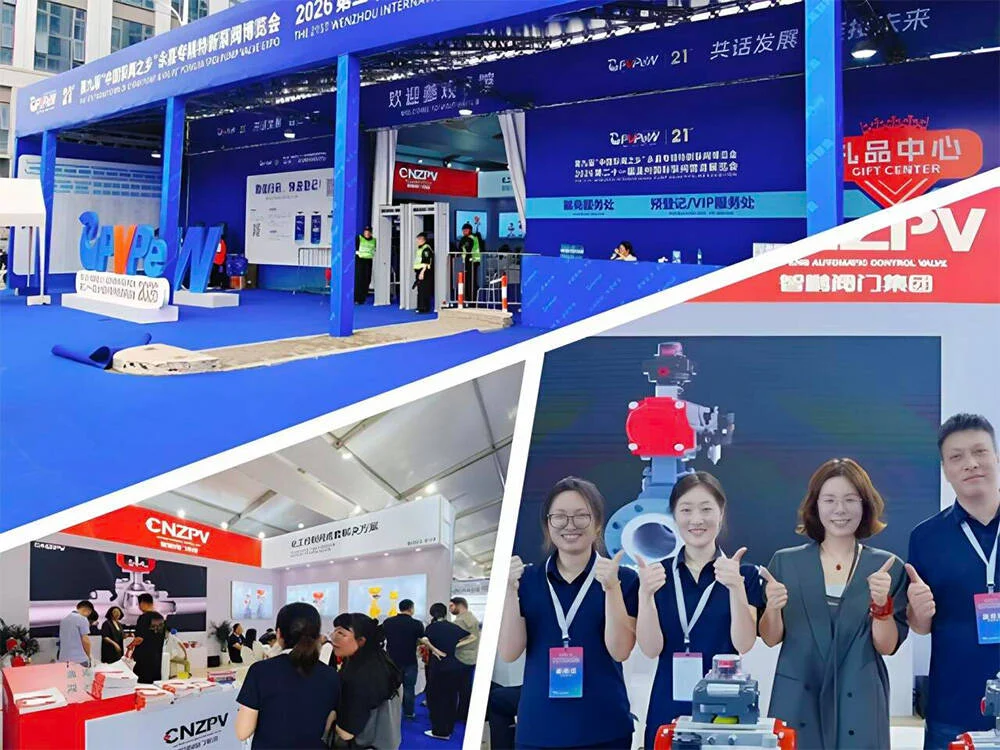
We sincerely thank every client, partner, and visitor who stopped by our booth at the 21st Wenzhou International Pump Valve Pipeline Exhibition. Your trust and valuable discussions on control valves, fluorine-lined valves, and customized solutions made this event a great success.
We’re ready to move forward and deliver reliable valve solutions tailored to your industrial needs.
PTFE/PFA Lined Valves: Ultimate Material Selection for Corrosive Chemical Media
In chemical processing, petrochemical, pharmaceutical, and wastewater treatment industries, handling highly corrosive media is one of the biggest challenges for pipeline fluid control systems. Traditional carbon steel, standard stainless steel (304, 316L), and alloy steel valves often face rapid corrosion, pitting, erosion, and short service life when exposed to strong acids, alkalis, salt solutions, and organic solvents. This not only causes frequent equipment replacement but also leads to production downtime, safety risks, and long-term rising operational costs.
CNZPV Control Valves & Shut-off Ball Valves: Customized Solutions for Inner Mongolia Chemical Plant
In the complex, high-stakes environment of chemical processing, reliable, precision-engineered control valves are the backbone of operational safety, efficiency, and compliance. For a large-scale petrochemical refinery in Inner Mongolia, CNZPV delivered a fully customized process control solution, integrating our industry-leading pneumatic control valves and automated shut-off ball valves across distillation columns, reactor systems, and pipeline distribution skids. This project showcases CNZPV’s unmatched expertise in chemical control valve design, custom engineering, and performance in extreme industrial conditions.
Control Valve Trim Surface Hardening: Stellite 6 vs Tungsten Carbide Wear Resistance
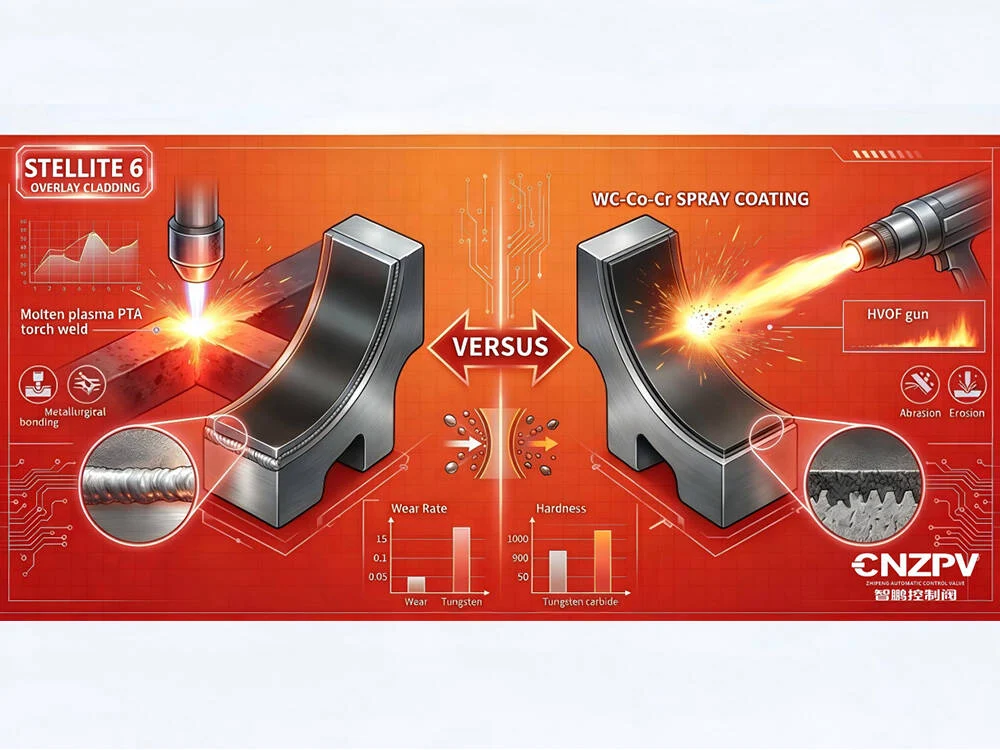
In the harsh operating conditions of petrochemical, coal chemical, and power industries, control valve trims (valve cores, valve seats) act as the direct “commanders” of fluid flow. They face long-term challenges from high-speed erosion, particle wear, and cavitation. If the trim’s sealing surface fails, it can cause valve internal leakage, system shutdowns, or even safety accidents. That’s why surface hardening is a key technology to extend valve service life. Learn how to choose the right surface hardening process for control valve trims to reduce maintenance costs and extend service life.
Chinese New Year Holidays Notice

Dear Valued Customers and Partners,
Warm greetings from CNZPV!
As the Chinese New Year approaches, we would like to inform you of our holiday schedule. Our company will be closed for the holiday from February 1, 2026, and will resume normal operations on March 1, 2026.
Please note that our Sales and Production Departments will stop accepting new orders and halt production from January 20, 2026. We kindly request that you plan your orders and production needs accordingly to avoid any inconvenience.
Field Troubleshooting Guide: Control Valve Not Responding in Process Area

In process industries such as oil & gas, chemical, and power generation, control valves play a pivotal role in regulating fluid flow, pressure, temperature, and level to ensure stable and efficient operation of production processes.
5 Critical Insights Every Engineer Should Know About Control Valves
Dead Zone Can Quietly Undermine Your Control Loop—Opt for Valves That Respond to Signal Changes Within 1%,Top-tier Products Achieve 0.25%.
In process control systems, a valve’s dead zone—the range of input signal changes that produce no corresponding movement—can silently degrade performance, leading to unstable control, increased wear, and energy waste. Even minor unresponsiveness in valve positioning can cause oscillations, reduced accuracy, and shorter equipment life.