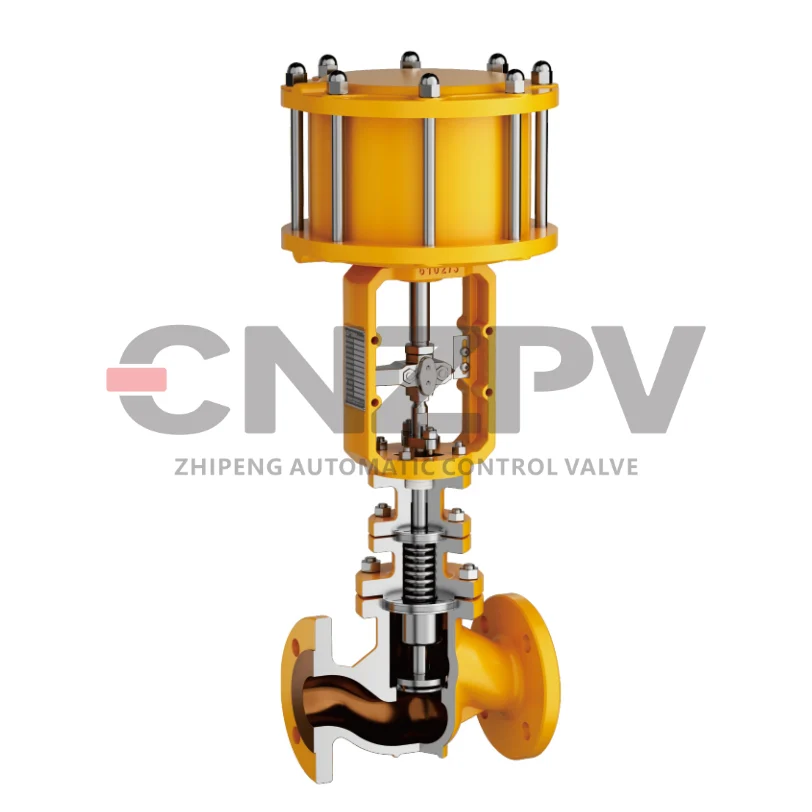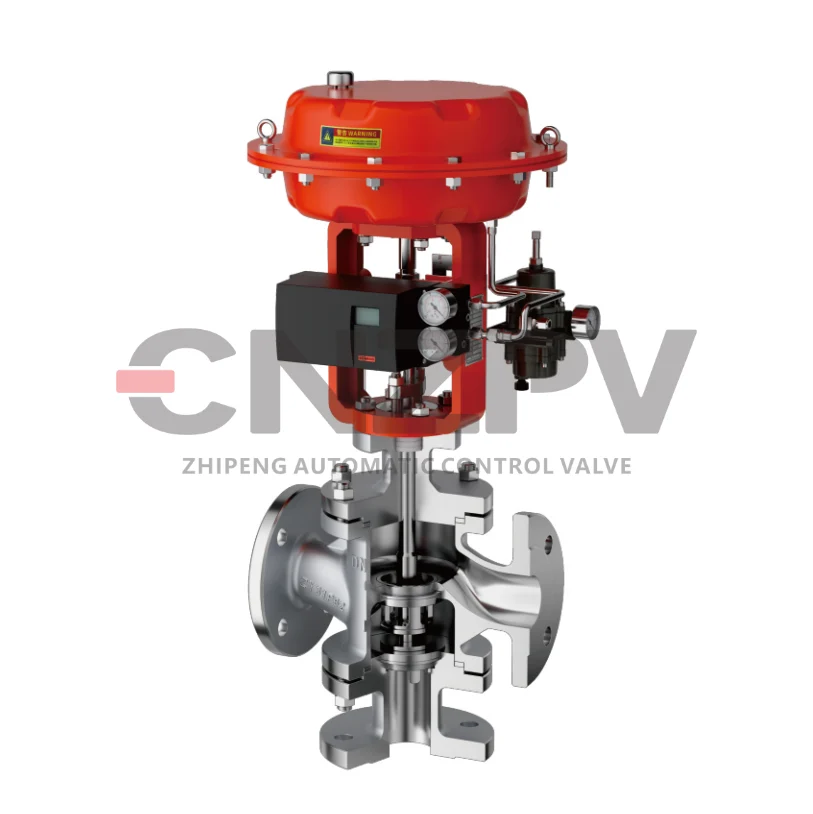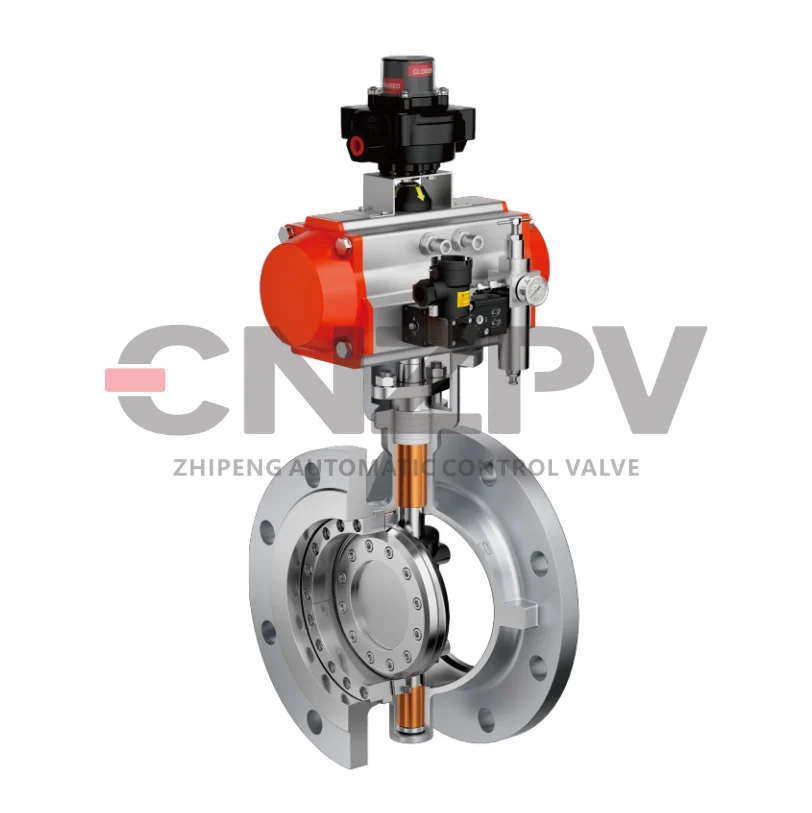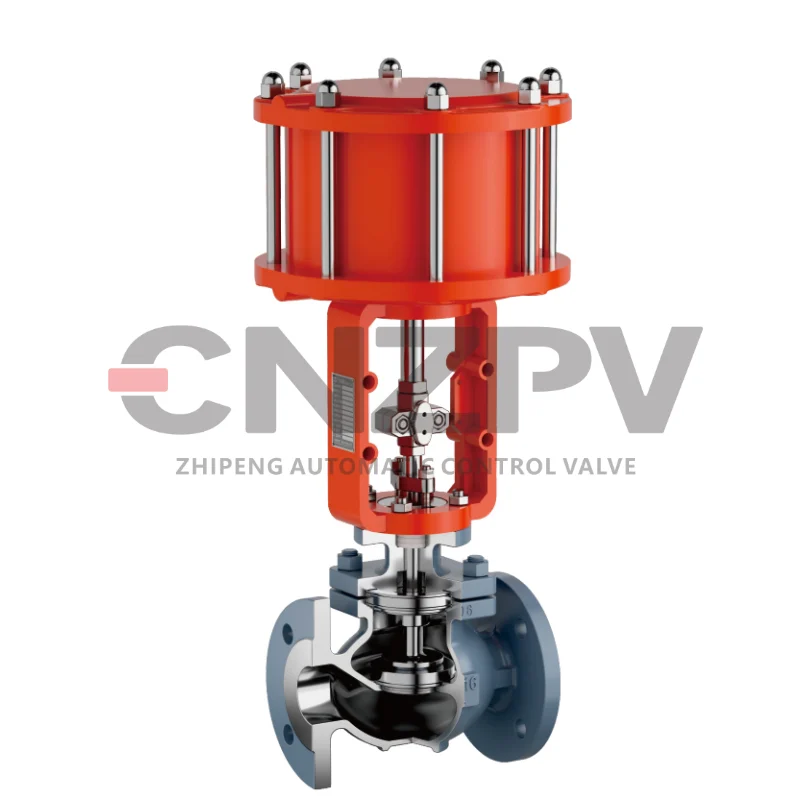
Introduction
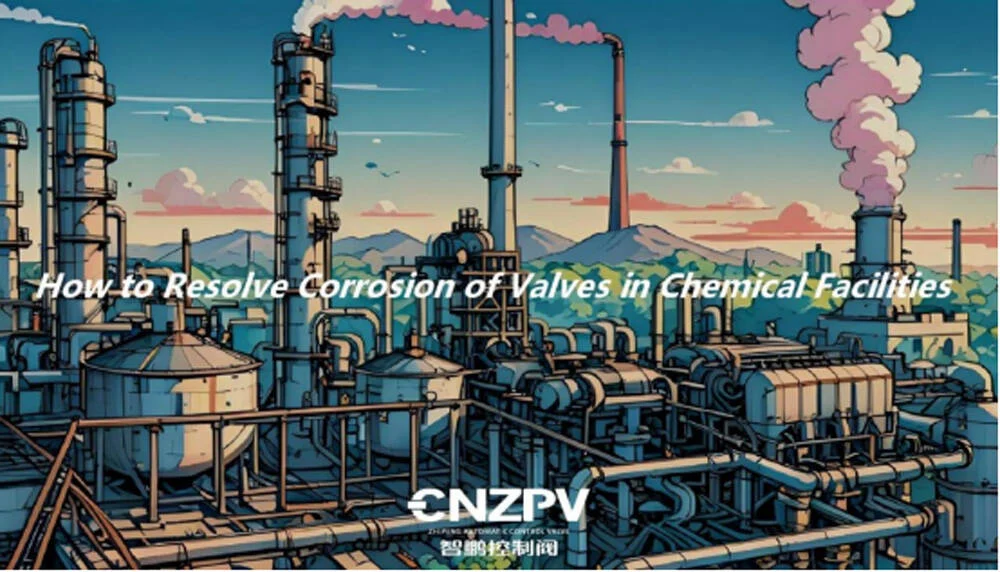
In chemical processing, petrochemical, pharmaceutical, and wastewater treatment industries, handling highly corrosive media is one of the biggest challenges for pipeline fluid control systems. Traditional carbon steel, standard stainless steel (304, 316L), and alloy steel valves often face rapid corrosion, pitting, erosion, and short service life when exposed to strong acids, alkalis, salt solutions, and organic solvents. This not only causes frequent equipment replacement but also leads to production downtime, safety risks, and long-term rising operational costs.
PTFE and PFA lined valves have become the preferred solution for harsh corrosive working conditions, featuring excellent chemical inertness, wide temperature adaptability, and reliable anti-corrosion performance. This article systematically classifies common corrosive chemical media, provides professional lining material selection guidelines, and makes an in-depth comparison between fluorine lined valves and stainless steel & alloy steel valves from performance, service life, and total cost perspectives, helping chemical enterprises make optimal valve selection decisions.
Common Corrosive Chemical Media & PTFE/PFA Lined Valve Material Selection
Fluorine lined valves mainly adopt PTFE (Polytetrafluoroethylene) and PFA (Perfluoroalkoxy) as lining materials in high-end chemical working conditions. Both materials own outstanding chemical stability and can resist almost all strong corrosive media, with a continuous operating temperature range from -50°C to 180°C, perfectly covering most chemical production temperature requirements.
1.Inorganic Acid Media
Inorganic acids are the most common severely corrosive media in chemical plants, including hydrochloric acid, sulfuric acid, nitric acid, hydrofluoric acid, phosphoric acid, hydrobromic acid, etc.
- Hydrochloric Acid: Regardless of concentration, hydrochloric acid has strong reducing corrosion. Ordinary 304/316L stainless steel will be severely corroded in a short time, and even high-grade duplex stainless steel and alloy steel cannot achieve long-term stable operation. PTFE and PFA lined valves are completely resistant to hydrochloric acid of all concentrations and are the only cost-effective reliable choice.
- Sulfuric Acid: Dilute sulfuric acid and concentrated sulfuric acid both have strong corrosivity. Concentrated sulfuric acid under high temperature will oxidize and corrode metal materials rapidly. PTFE and PFA lining maintain stable chemical inertness in full concentration and full temperature range, avoiding medium leakage caused by metal corrosion.
- Nitric Acid: As a strong oxidizing acid, nitric acid can damage the passivation film of stainless steel and alloy steel. PTFE and PFA lined structures effectively isolate the contact between acid medium and metal valve body, preventing pitting and intergranular corrosion.
- Hydrofluoric Acid: Hydrofluoric acid can corrode most metal and glass materials. Only PTFE and PFA lined valves can adapt to long-term delivery of hydrofluoric acid media, with no swelling, aging or penetration.
- Phosphoric Acid & Other Weak Acids: For medium-concentration phosphoric acid and mixed inorganic acid media, PTFE and PFA lined valves show far better stability than conventional stainless steel valves.
2.Alkaline Media
Common alkaline media include sodium hydroxide, potassium hydroxide, ammonia water and other strong alkali solutions. High-temperature concentrated alkali will cause stress corrosion and alkali brittleness to stainless steel and alloy steel. PTFE and PFA lined valves are resistant to strong alkali corrosion in full temperature and concentration, without chemical reaction or lining peeling, suitable for long-term use in caustic soda and alkaline wastewater pipelines.
3.Salt Solution Media
Various salt solutions widely exist in chemical and environmental protection industries, such as calcium nitrate, ammonium nitrate, calcium chloride, magnesium chloride, sodium chloride and sulfate solutions. Chloride-containing salt media are extremely easy to cause pitting corrosion and stress corrosion cracking of 304/316L stainless steel. Although high-alloy materials can improve corrosion resistance, the material cost is extremely high. PTFE and PFA lined valves completely isolate chloride ions from the metal valve body, fundamentally solving the corrosion problem of salt solution media.
4.Organic Acid & Organic Solvent Media
Organic acids such as acetic acid, formic acid, oxalic acid, and organic solvents including methanol, ethanol, benzene, toluene, and formaldehyde will dissolve and degrade ordinary metal materials under high concentration and high temperature. PTFE and PFA lining will not swell, dissolve or deform in various organic acids and aromatic organic solvents, maintaining stable sealing and flow control performance for a long time.
5.Halogen & Strong Oxidizing Media
Chlorine liquid, chlorine gas, sodium hypochlorite and other strong oxidizing halogen media have extremely strong destructiveness to stainless steel and alloy steel. Metal valves are prone to surface rust and internal corrosion leakage. PTFE and PFA lined valves can resist the oxidation and corrosion of halogen media, suitable for chlorine chemical and disinfection agent production pipelines.
PTFE/PFA Lined Valves VS Stainless & Alloy Steel Valves: Performance Comparison
1.Corrosion Resistance
Stainless steel valves (304, 316L) only adapt to weak corrosion, neutral water and low-concentration mild media. When encountering strong acid, strong alkali, chloride salt and oxidizing media, they will corrode rapidly with short service life. Duplex stainless steel and high nickel alloy steel have improved corrosion resistance, but still cannot withstand hydrofluoric acid, high-concentration hydrochloric acid and liquid chlorine media.
PTFE and PFA lined valves rely on the full lining isolation structure. The metal valve body only bears pressure without contacting corrosive media, and the fluorine plastic lining is chemically inert to almost all chemical media. Its corrosion resistance far exceeds any conventional stainless steel and alloy steel materials.
2.Temperature & Pressure Adaptability
Standard stainless steel valves can work under conventional temperature, but high-temperature corrosive media will accelerate material fatigue and corrosion. Alloy steel has better high-pressure resistance but is limited by medium corrosion.
PTFE/PFA lined valves support -50°C to 180°C wide temperature range, match PN10/PN16/PN25 pressure grades, and can stably adapt to high temperature, normal pressure and medium pressure corrosive working conditions, covering most chemical pipeline parameter requirements.
3.Sealing & Anti-Fouling Performance
Stainless steel valve inner walls are easy to scale, adhere to medium crystals and cause valve jamming. Corroded metal sealing surfaces are prone to leakage.
PTFE and PFA materials own low surface friction coefficient, non-stick and anti-fouling properties, not easy to adhere crystal media and impurities. The integral lining structure ensures long-term zero leakage sealing performance, reducing maintenance frequency.
Cost Analysis: Lined Valves vs Stainless & Alloy Steel Valves
- Initial Procurement Cost
The one-time purchase price of ordinary 304/316L stainless steel valves is lower than PTFE/PFA lined valves. High-grade duplex stainless steel and high nickel alloy steel valves have an extremely high initial cost, far exceeding the price of fluorine lined valves of the same specification.
In severely corrosive working conditions, if users choose low-cost ordinary stainless steel valves blindly, they will face frequent replacement in the short term, which is actually an uneconomical choice. - Service Life Cost
Ordinary stainless steel valves in strong corrosive media usually only serve 6–18 months. Alloy steel valves can extend to 2–3 years, while PTFE/PFA lined valves can achieve 8–15 years of stable service life under the same working conditions. The long service life greatly reduces the frequency of repeated procurement and pipeline reconstruction. - Operation & Maintenance Cost
Corroded stainless steel and alloy steel valves are easy to leak, cause production shutdown, material loss and safety accidents, and require regular inspection, maintenance and replacement of accessories, resulting in high labor and downtime costs.
Fluorine lined valves feature wear resistance, aging resistance and stable sealing, almost no daily maintenance needed, effectively reducing later operation labor costs and production loss risks. - Total Lifecycle Cost
From the perspective of full lifecycle cost accounting, PTFE/PFA lined valves have slightly higher initial investment, but far lower replacement cost, maintenance cost and downtime loss. Compared with frequent replacement of stainless steel valves and expensive procurement of alloy steel valves, fluorine lined valves have optimal comprehensive economic benefits for long-term chemical production.
Conclusion
For chemical industries involving strong acid, strong alkali, chloride salt, organic solvent and halogen corrosive media, ordinary stainless steel and alloy steel valves are limited by inherent material defects in corrosion resistance, service life and comprehensive cost.
PTFE and PFA lined valves become the most reliable and cost-effective choice with excellent chemical inertness, wide temperature and pressure adaptability, stable sealing performance and low full lifecycle cost. Enterprises should prioritize fluorine lined valves in the early stage of pipeline design and valve selection, avoid hidden troubles caused by improper material selection, and realize long-term safe and economical operation of chemical fluid control systems.
For high-quality PTFE/PFA lined valves that withstand the toughest corrosive conditions, please contact CNZPV for professional solutions and reliable products.