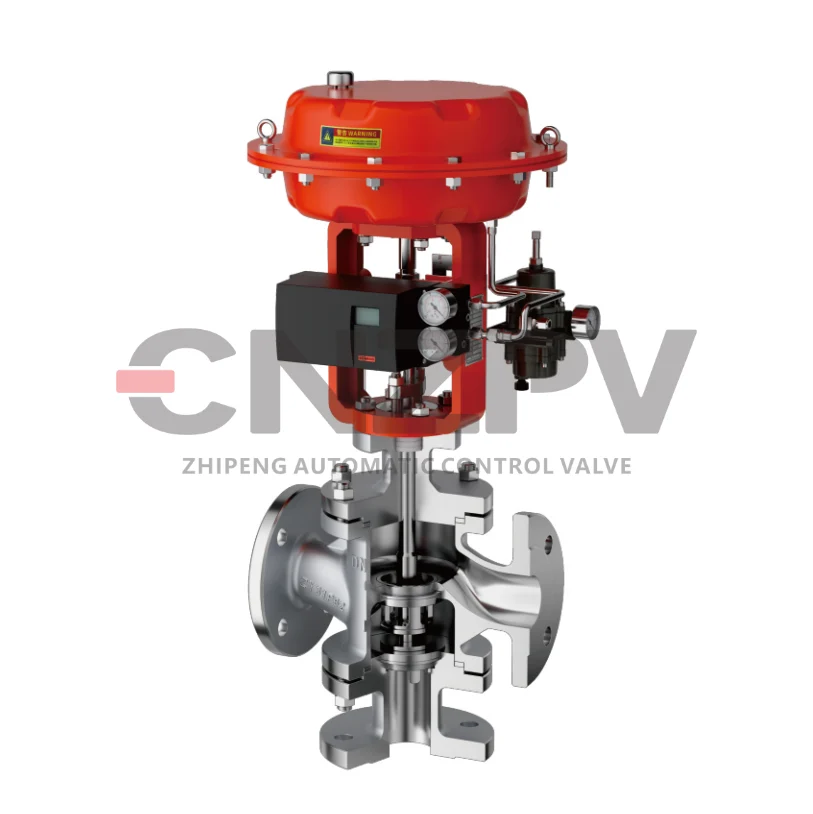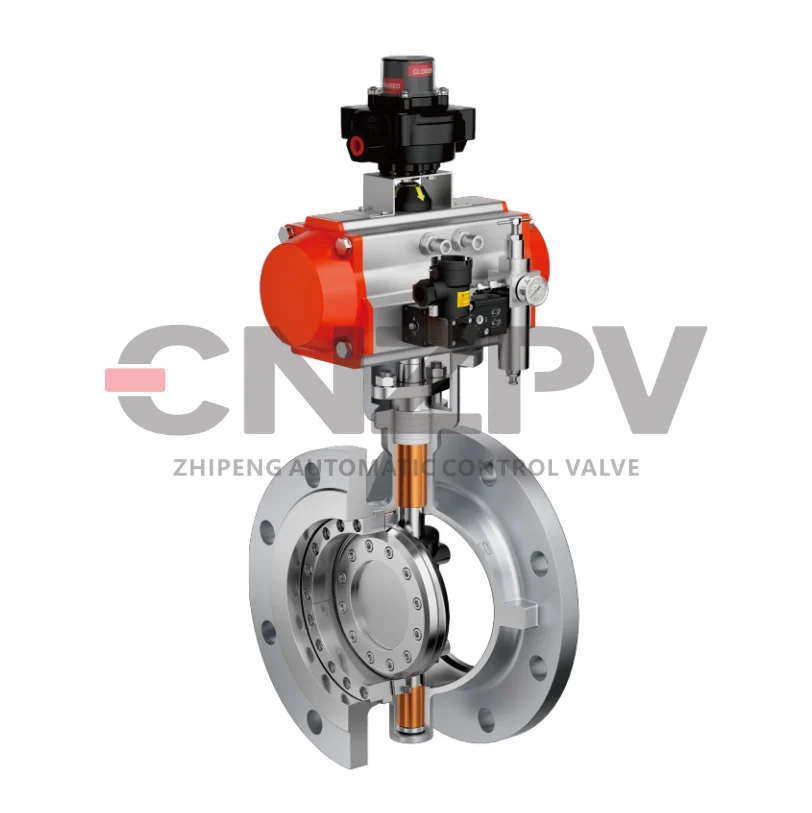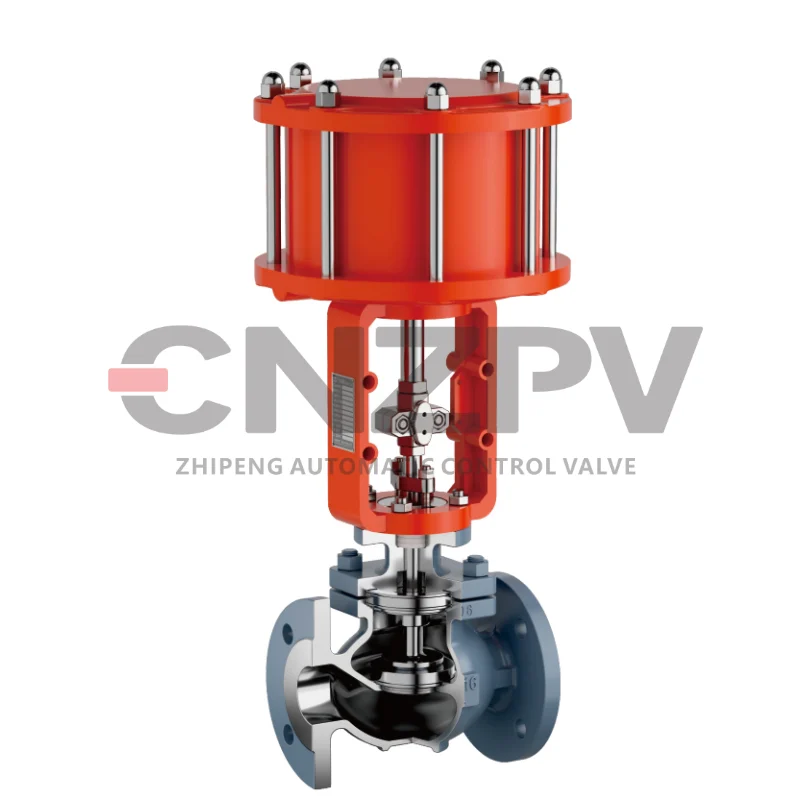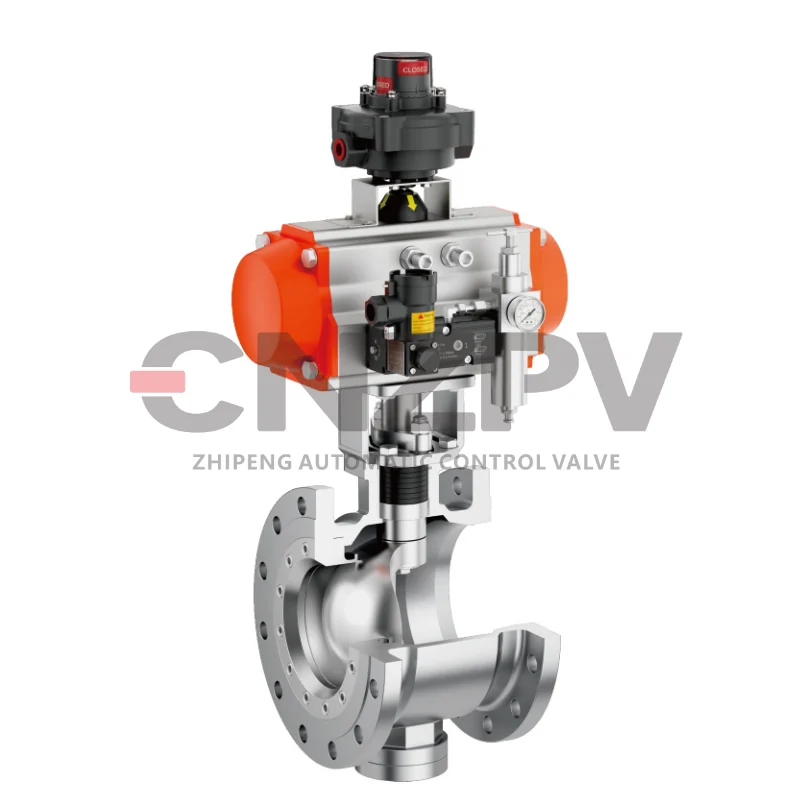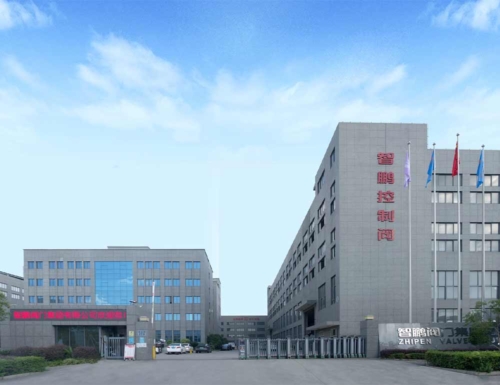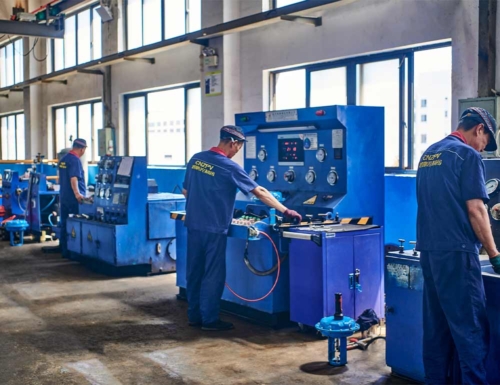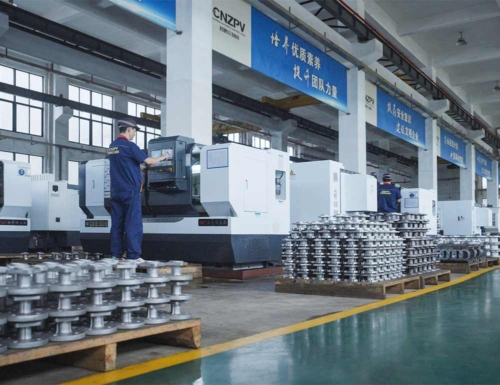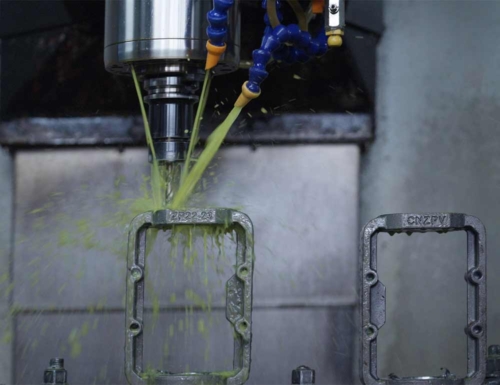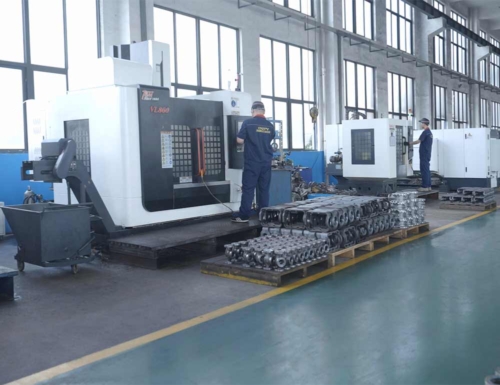
This professional valve corrosion and material selection manual is independently compiled and summarized by the CNZPV technical team based on years of industrial valve R&D, manufacturing and on-site engineering service experience. All content is focusing on practical industrial application scenarios to provide standardized and reliable material selection guidelines for global engineering purchasers, technicians and system integrators.
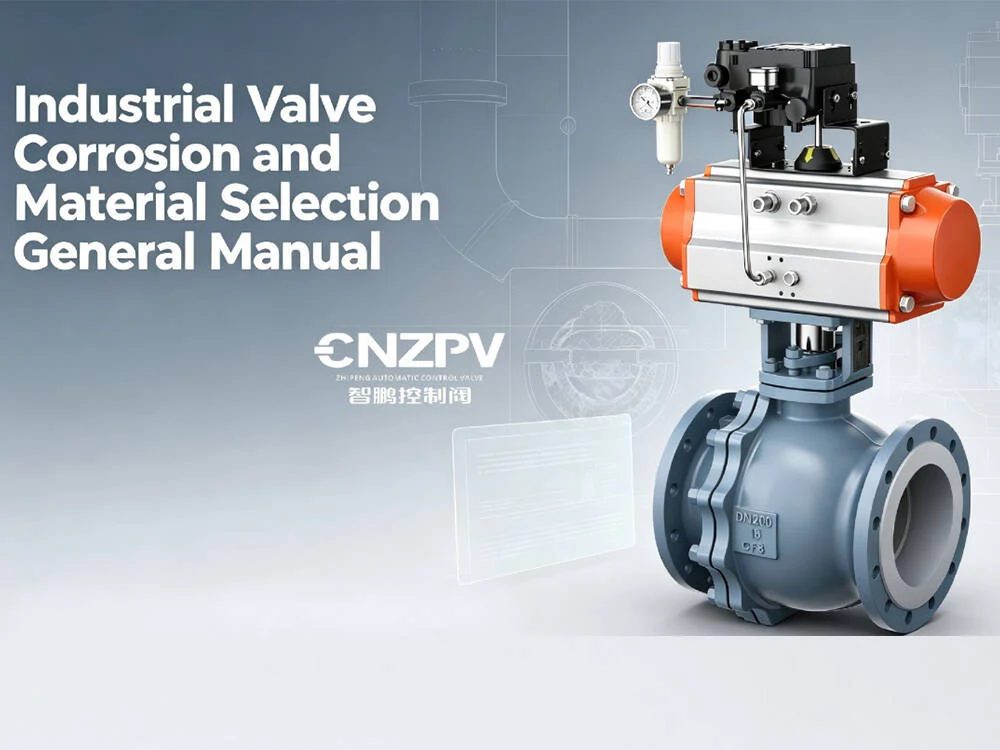
Preface
This manual is a dedicated technical document for industrial valve corrosion prevention and material selection. It comprehensively sorts out the corrosion resistance characteristics, applicable working conditions, prohibited scenarios, and operation & maintenance key points of mainstream industrial valve materials covering acids, alkalis, salts, organic solvents, water vapor and other full-scenario corrosive media. Widely applicable to petroleum chemical industry, fine chemical industry, environmental water treatment, electric power, metallurgy and other fields, it effectively avoids material mismatch, corrosion failure, medium leakage and equipment shutdown risks, serving as a standardized reference for global engineering technical personnel.
Chapter 1 Core Types and Failure Characteristics of Industrial Valve Corrosion
Industrial valve corrosion refers to the damage of metal bodies or lining layers caused by the combined action of medium, temperature, pressure and operating environment. The common corrosion types and on-site failure characteristics are summarized below for rapid field fault judgment:
- Uniform Corrosion: The inner wall and surface of the valve body are uniformly thinned, blackened and rusted. It mostly occurs in dilute acid-base and humid water vapor working conditions with predictable failure cycles, which is the most common conventional corrosion type.
- Pitting Corrosion: Tiny pinholes and pits appear on the valve surface, causing local penetration and leakage. It frequently occurs in chloride-containing media and weak acid environments. With strong concealment and sudden failure characteristics, it is the most prone corrosion for stainless steel valves.
- Intergranular Corrosion: Corrosion damage occurs at the grain boundaries of metals, resulting in sharp decline in material toughness, valve cracking and brittle fracture. It commonly exists in untreated stainless steel and alternating high-temperature acid-base working conditions.
- Stress Corrosion Cracking: Cracks appear on valve bodies and stems under the combined effect of corrosive media and mechanical stress. As a high-risk failure mode, it often occurs in chloride-containing, high-temperature, high-pressure and alternating load working conditions.
- Lining Aging Corrosion: Lining bulging, delamination, cracking and swelling of PTFE and rubber lined valves are mainly caused by over-temperature operation, medium penetration and long-term acid-base corrosion.
Chapter 2 Corrosion Resistance Parameters of Mainstream Valve Materials
This chapter covers 9 types of commonly used industrial valve materials, clarifying their applicable working conditions, temperature thresholds, corrosion defects and prohibited scenarios to provide standardized basis for professional valve selection.
2.1 Cast Iron (Gray Cast Iron, Ductile Iron)
- Corrosion Resistance: Resists atmospheric corrosion, clean water, neutral water and dry gas; ordinary alkali resistance, extremely poor acid resistance.
- Applicable Conditions: Normal temperature and pressure water supply and drainage, ventilation gas, neutral oil products and general non-corrosive industrial scenarios.
- Temperature Range: -20℃ ~ 120℃
- Absolute Prohibition: Unsuitable for all concentrations of sulfuric acid, hydrochloric acid, nitric acid, organic acid, salt water and acid-base solutions, which will cause rapid rusting, perforation and damage.
2.2 304 Stainless Steel (06Cr19Ni10)
- Corrosion Resistance: Resists atmospheric erosion, clean water, weak organic acid, normal temperature dilute alkali and dry gas, serving as a basic general anti-corrosion material.
- Applicable Conditions: Purified water, food-grade media, normal temperature weak corrosive fluid, ordinary oil, air and low-temperature steam.
- Temperature Range: -196℃ ~ 200℃ (non-strong corrosive conditions)
- Corrosion Defects: Not resistant to chloride ions, high-salinity water, dilute sulfuric acid and hydrochloric acid, easy to cause pitting and intergranular corrosion; prohibited for strong corrosive chemical working conditions.
2.3 316L Stainless Steel (022Cr17Ni12Mo2)
- Corrosion Resistance: With molybdenum element added, it has better resistance to chloride ions and weak acid than 304 stainless steel, and greatly improved pitting corrosion resistance.
- Applicable Conditions: Seawater, circulating cooling water, low-concentration salt water, normal temperature dilute phosphoric acid, weak organic acid and food chemical media.
- Temperature Range: -196℃ ~ 250℃
- Absolute Prohibition: Medium and high concentration sulfuric acid, hydrochloric acid, nitric acid and high-temperature strong alkali will cause long-term corrosion failure.
2.4 Duplex Steel (2205/2507)
- Corrosion Resistance: Combining the advantages of austenite and ferrite, its resistance to chloride stress corrosion and pitting corrosion is far superior to 316L, with high strength and fatigue resistance.
- Applicable Conditions: High-chloride seawater, bittern, desulfurization slurry, moderate organic acid and chemical salt-containing wastewater.
- Temperature Range: -40℃ ~ 280℃
- Prohibited Conditions: Insufficient corrosion resistance for high-concentration strong acid (concentrated sulfuric acid, concentrated hydrochloric acid) and high-temperature concentrated alkali working conditions.
2.5 PTFE Lined Material (F4/F46)
- Corrosion Resistance: Resists almost all strong acids, strong alkalis, salts and organic solvents with full-range anti-corrosion performance and no chemical reaction.
- Applicable Conditions: 98% concentrated sulfuric acid, dilute hydrochloric acid, caustic soda solution, various corrosive chemical waste liquids and fine chemical corrosive media.
- Temperature Range: Continuous operation ≤150℃, instantaneous peak ≤160℃
- Limitations: Poor high temperature and high pressure resistance; over-temperature will cause lining softening, delamination and bulging; not resistant to high-temperature molten alkali and fluoride media.
2.6 Rubber Lined Material (Hard Rubber / Soft Rubber)
- Corrosion Resistance: Resists dilute acid, dilute alkali, salt water and sewage with high cost performance.
- Applicable Conditions: Environmental sewage, desulfurization wastewater, low-concentration acid-base waste liquid and normal temperature salt solution.
- Temperature Range: ≤80℃, easy to age and crack at high temperature
- Prohibited Conditions: Concentrated strong acid, organic solvent and high-temperature media will cause swelling, damage and peeling of the rubber lining.
2.7 Hastelloy (C276/C22)
- Corrosion Resistance: Excellent comprehensive anti-corrosion performance against oxidizing acid, reducing acid, mixed acid and chloride-containing corrosive media.
- Applicable Conditions: Dilute hydrochloric acid, mixed acid-base media, chemical reaction media and high-temperature moderate corrosion working conditions.
- Temperature Range: ≤400℃
- Limitations: Not resistant to ultra-high concentration and high-temperature concentrated sulfuric acid; high cost, only used for harsh working conditions.
2.8 Titanium Material (TA2)
- Corrosion Resistance: Extremely strong resistance to chloride ions, seawater, wet chlorine and nitric acid, with excellent crevice corrosion and pitting corrosion resistance.
- Applicable Conditions: Seawater desalination, chlor-alkali chemical industry, nitric acid working conditions and high-chloride corrosive media.
- Temperature Range: ≤300℃
- Absolute Prohibition: Severe corrosion will occur in high-temperature anhydrous hydrochloric acid, concentrated sulfuric acid and molten alkali environments.
2.9 Tantalum Material
- Corrosion Resistance: Ultimate anti-corrosion performance with nearly zero corrosion rate under high-temperature and high-concentration strong acid working conditions.
- Applicable Conditions: 90%-99% concentrated sulfuric acid above 150℃ and other extreme high-temperature strong acid-base media.
- Temperature Range: ≤250℃ (strong acid working conditions)
- Positioning: High-end special material for extreme working conditions with no economical alternative and high manufacturing cost.
Chapter 3 Material Selection Comparison for Common Industrial Corrosive Media
This chapter sorts out the optimal, available and prohibited valve materials for high-frequency industrial media, supporting one-click rapid and accurate engineering selection.
3.1 Sulfuric Acid Media
- Dilute Sulfuric Acid (<50%, Normal Temperature): Optimal: PTFE lined; Available: Hastelloy; Prohibited: Cast iron, 304/316L, Duplex steel
- Concentrated Sulfuric Acid (90%-99%, ≤150℃): Optimal: PTFE lined; Prohibited: All stainless steel, alloy and cast iron materials
- High-temperature Concentrated Sulfuric Acid (90%-99%, >150℃): Only available: Tantalum; All other materials are prohibited
3.2 Hydrochloric Acid Media
- Full-concentration Normal Temperature Hydrochloric Acid: Optimal: PTFE lined; Available: Hastelloy; Prohibited: Stainless steel, duplex steel, titanium, cast iron
- High-temperature Hydrochloric Acid: Special materials: High-grade Hastelloy, Tantalum
3.3 Nitric Acid Media
- Dilute Nitric Acid (Normal Temperature): Optimal: 304/316L, PTFE lined
- Concentrated & High-temperature Nitric Acid: Optimal: Titanium, PTFE lined; Prohibited: Ordinary carbon steel, cast iron
3.4 Caustic Soda / Strong Alkali Media (NaOH)
- Normal Temperature Concentrated Alkali: Optimal: PTFE lined, 316L
- High-temperature Concentrated Alkali: Optimal: Special alloy, PTFE lined; Prohibited: Ordinary cast iron (prone to alkali embrittlement cracking)
3.5 Salt Water / Seawater / Chloride-containing Media
- Normal Temperature Low-chloride Media: 316L, Duplex steel
- High-chloride & Seawater Working Conditions: 2205/2507 Duplex steel, Titanium; Prohibited: 304 (extremely prone to pitting corrosion)
3.6 Organic Solvents (Ethanol, Acetone, Benzene)
- General Selection: 304/316L, PTFE lined; Prohibited: Rubber lined (easy swelling and failure)
Chapter 4 Special Anti-corrosion Selection Rules for Different Valve Types
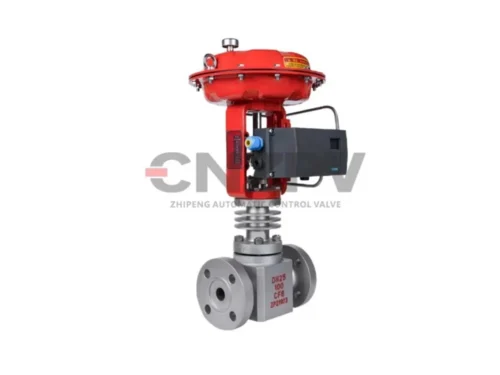
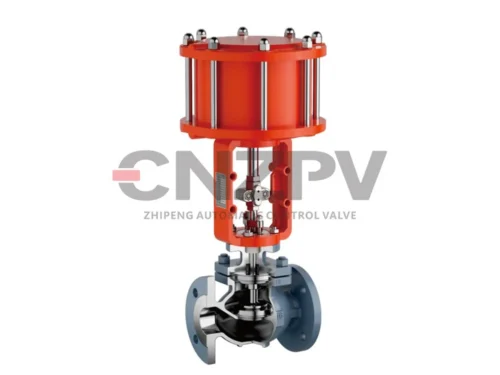
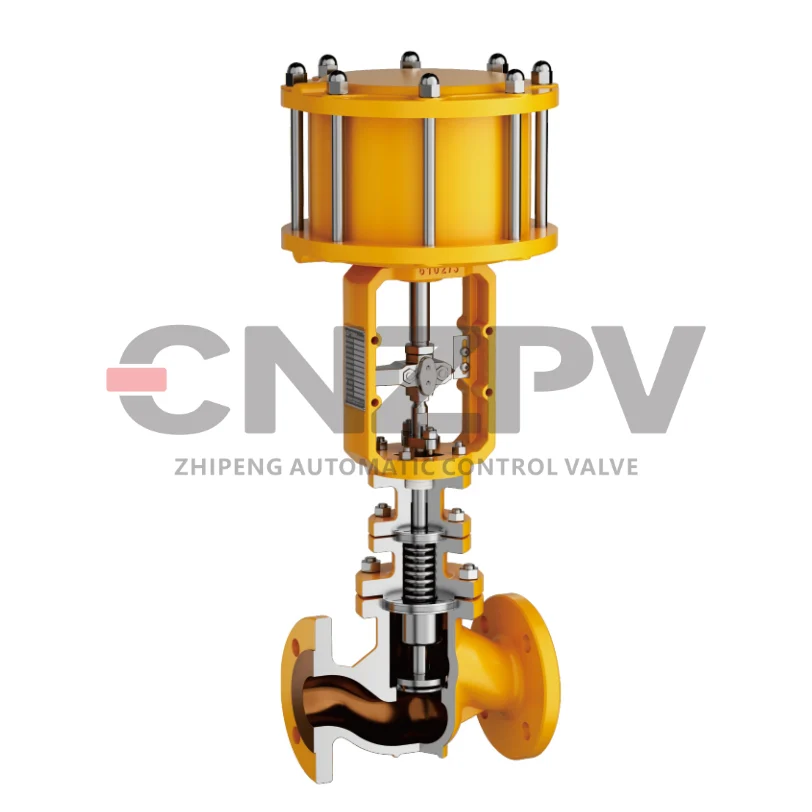
4.1 Control Valves (V-port Ball Valve, Eccentric Rotary Valve, Single-seat Valve)
Control valves feature high precision and small internal clearance. Corrosion easily causes valve jamming, leakage and regulation failure. The selection priority follows: medium adaptability > temperature adaptability > pressure adaptability. PTFE lined structure is preferred for conventional corrosive conditions ≤150℃; tantalum internal parts are mandatory for high-temperature strong acid conditions above 150℃, and conventional materials are strictly prohibited for replacement.
4.2 On-off Valves (Ball Valve, Butterfly Valve, Gate Valve, Globe Valve)
Stainless steel and cast iron are preferred for general non-corrosive working conditions; PTFE lining and rubber lining are preferred for conventional corrosive conditions; special alloys, titanium and tantalum are adopted for high-pressure strong corrosion conditions. It is critical to ensure the corrosion resistance of sealing surfaces to avoid medium leakage caused by sealing failure.
Chapter 5 Common Valve Corrosion Selection Misunderstandings & Risk Avoidance Guide
- Misunderstanding 1: 316L stainless steel is applicable for hydrochloric acid and dilute sulfuric acid. Correction: 316L cannot resist reducing strong acid, which will cause pitting and perforation in a short time, completely unavailable for such conditions.
- Misunderstanding 2: PTFE lined valves can operate continuously under over-temperature conditions. Correction: PTFE lining will soften and delamination above 150℃; tantalum valves are mandatory for high-temperature strong acid working conditions.
- Misunderstanding 3: 304 stainless steel is suitable for high-chloride seawater conditions. Correction: 304 has poor chloride resistance and is extremely prone to stress corrosion cracking; duplex steel or titanium is required.
- Misunderstanding 4: PTFE lining is suitable for all strong acid working conditions. Correction: PTFE lining fails completely under high-temperature and ultra-high temperature concentrated sulfuric acid conditions, where only tantalum material is applicable.
- Misunderstanding 5: Rubber lined valves adapt to all corrosive media. Correction: Rubber lining cannot resist organic solvents, concentrated strong acid and high-temperature media, which will cause swelling and permanent damage.
Chapter 6 Installation, Operation and Maintenance Guidelines for Anti-corrosion Valves
- Temperature Control: Strictly follow the temperature threshold of each material; prohibit over-temperature and instantaneous high-temperature impact, which is the core of extending valve service life.
- Working Condition Adaptation: Upgrade valve materials for working conditions with fluctuating medium concentration, alternating acid-base and temperature changes; never select materials according to conventional standard conditions.
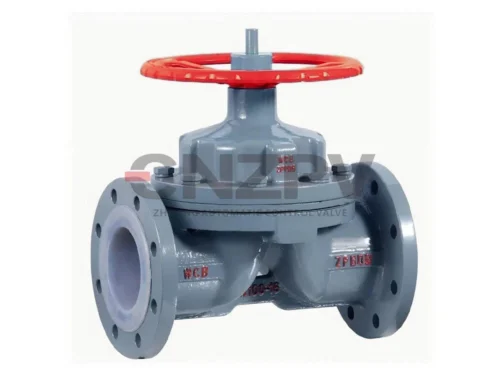
- Installation Protection: Violent knocking and forced butt joint are prohibited during installation of PTFE/rubber lined valves to prevent lining damage.
- Regular Inspection: Focus on checking sealing surfaces, valve body surfaces and lining conditions of valves in corrosive environments to eliminate hidden dangers of pitting, delamination and micro-leakage in advance.
- Shutdown Protection: Drain all media and clean & dry the valve cavity for long-term shutdown to prevent local concentration corrosion caused by residual media.
Chapter 7 Quick Selection Summary Formula
Stainless steel for water, oil and gas,
PTFE lining for acid and alkali corrosion cases;
Duplex & titanium for high-chloride seawater,
Tantalum for high-temperature strong acid service;
Hastelloy for dilute & mixed acid flow,
Alloy resists high-temperature alkali power;
Rubber lining only for normal temperature water,
Over-temperature mismatch brings failure error.
About CNZPV: As a professional industrial valve manufacturer focusing on anti-corrosion valve R&D, production and customized solutions, CNZPV has accumulated rich on-site engineering experience in global petrochemical, environmental protection and metallurgical projects. All technical summaries in this manual are independently sorted and verified by the CNZPV professional technical team, providing authoritative, practical and industry-exclusive material selection standards for global customers. For customized anti-corrosion valve solutions and technical support, please feel free to contact CNZPV professional engineering team.