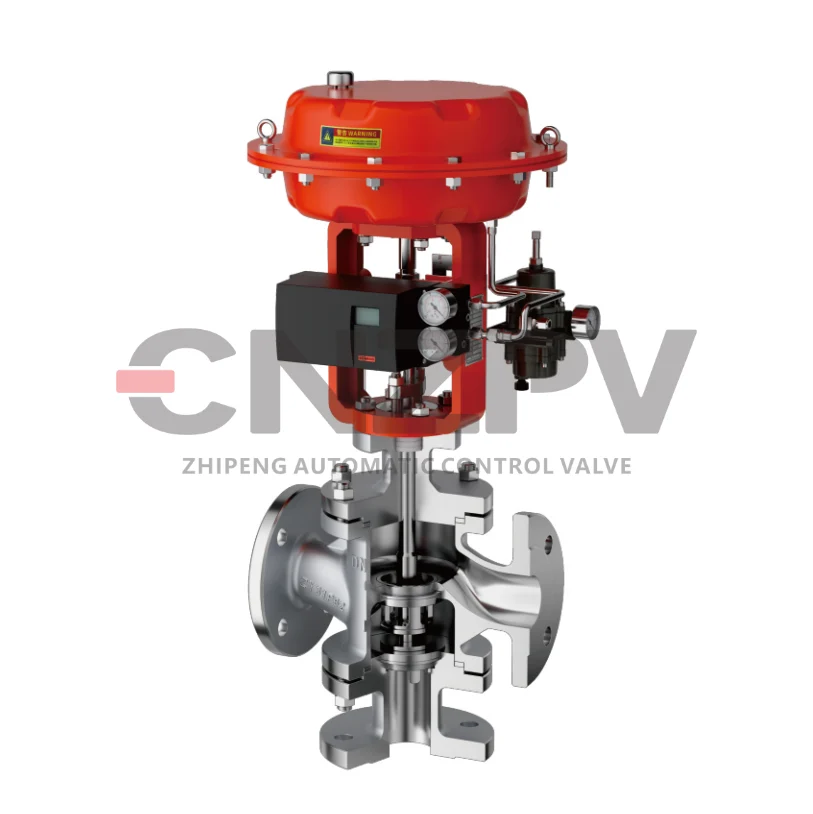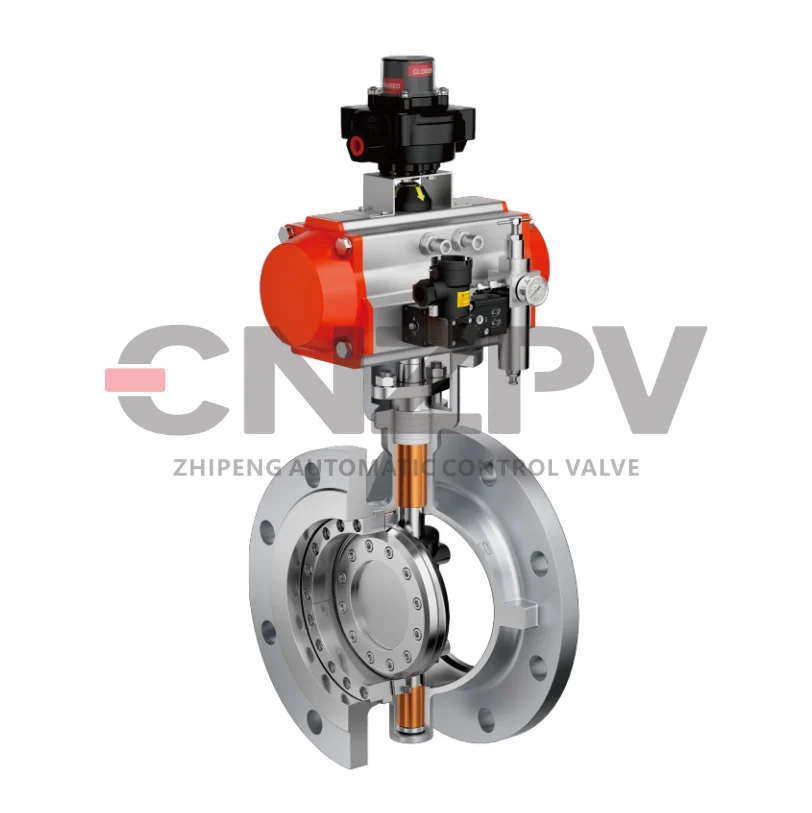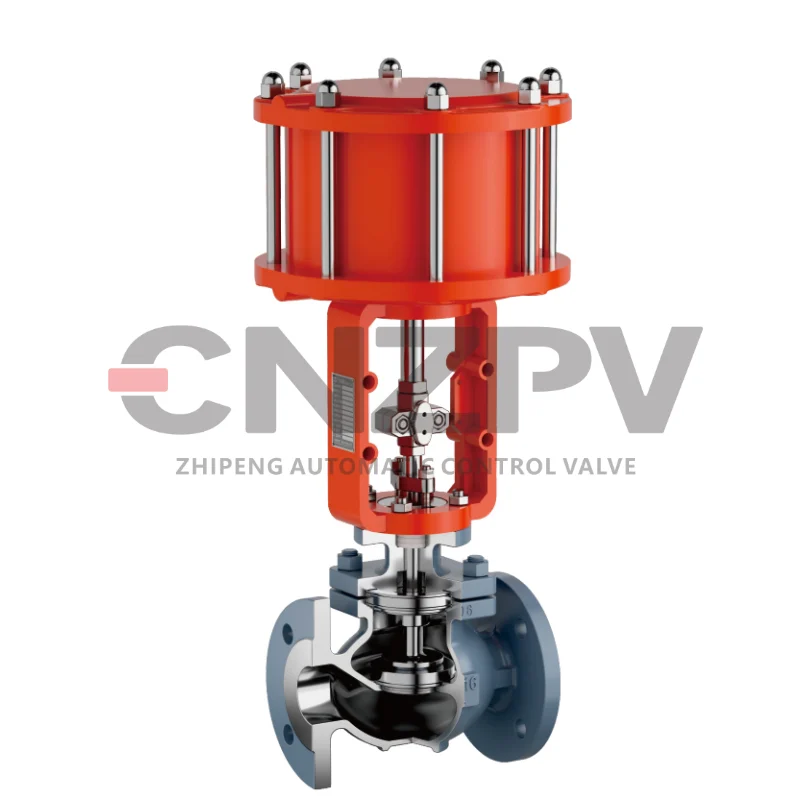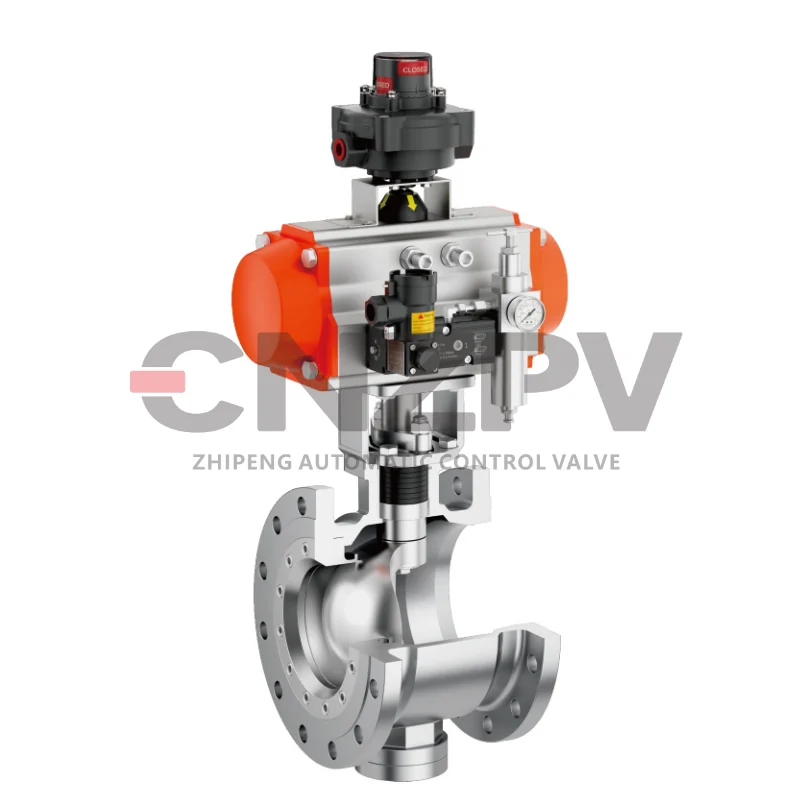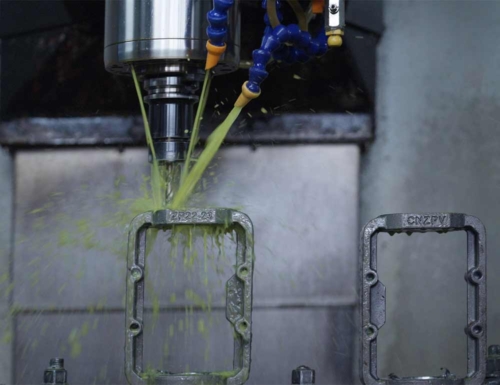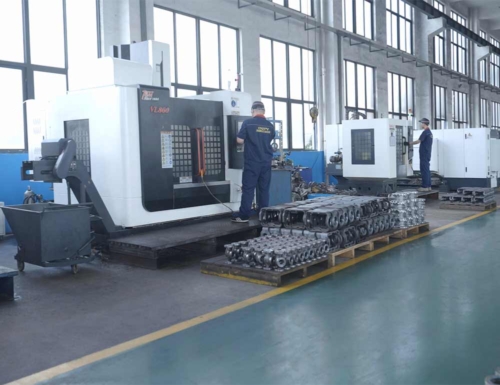
Fluorine-Lined Control Valves are essential components in industries such as chemical processing and oil & gas. In highly corrosive environments, valves lined with fluoropolymers prevent chemical damage to the valve’s internal body, ensuring proper operation.
There is a wide variety of fluorine-lined control valves; understanding their classifications helps in selecting the right valve, thereby enhancing production efficiency and safety.
Classification of Fluorine-Lined Control Valves
Ball Valves
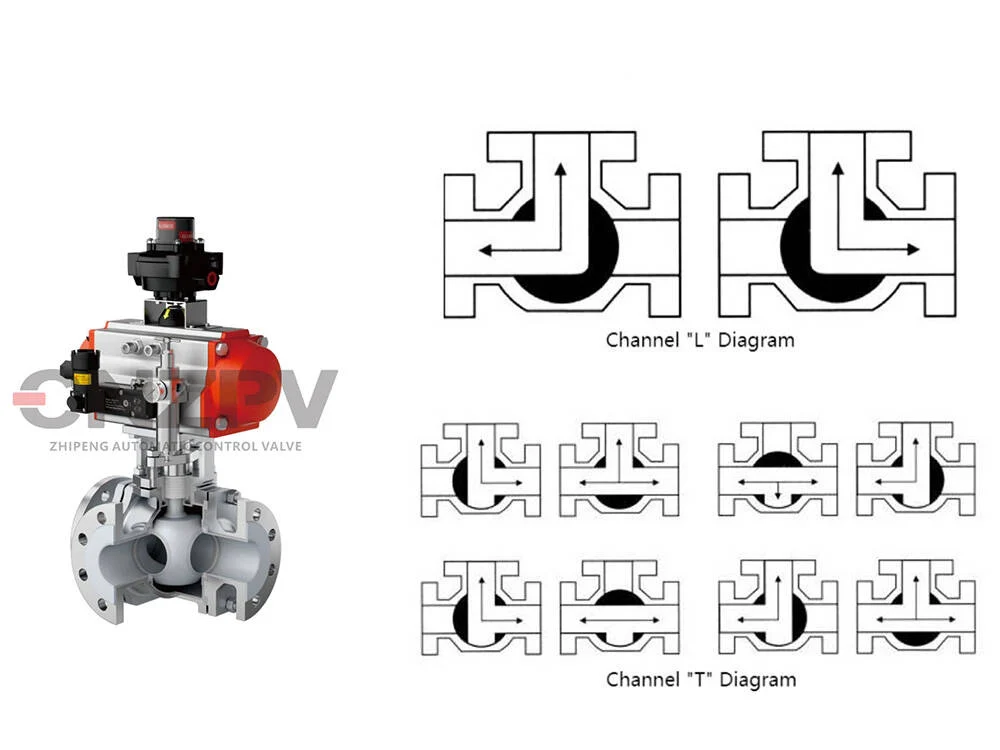
All wetted parts of these ball valves are lined with fluoroplastics (such as FEP or PFA). They are widely used in processes involving strong acids, strong alkalis, salts, and other corrosive chemicals for pipeline shut-off, connection, and flow direction switching. They are valued for their exceptional corrosion resistance and high reliability.
These valves are extensively used in the chemical and pharmaceutical industries, effectively ensuring the stability and safety of industrial production processes. They are particularly suitable for applications with dense piping layouts and limited installation space. The ZPR73oF pneumatic fluoroplastic-lined three-way ball valve offers L-port and T-port flow configurations to meet diverse flow-switching requirements.
Butterfly Valves
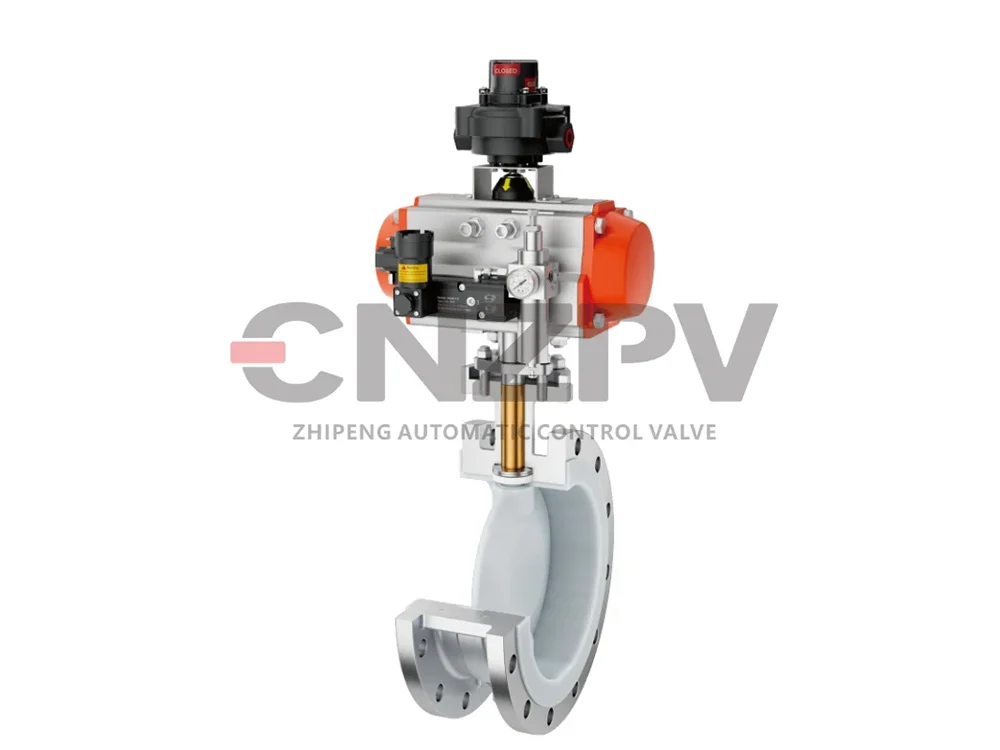
These butterfly valves consist of a pneumatic piston actuator and a PTFE-sealed butterfly valve, making them suitable for corrosive applications with temperatures below 160°C. All wetted parts (valve body, disc, and stem) utilize thick-layer polymer lining technology, providing outstanding corrosion resistance against acids, alkalis, salts, oxidizing agents, reducing agents, and organic solvents across various concentrations.
As an ideal solution for shut-off and flow regulation in pipelines and vessels transporting gases, liquids, and semi-fluids, these butterfly valves are widely used in sectors such as chemicals, petroleum, pharmaceuticals, food processing, iron and steel smelting, papermaking, and hydroelectric systems. Fully lined PTFE (F4) and FEP (F46) butterfly valves offer excellent corrosion resistance, zero-leakage performance, and an extended service life.
Globe Valve
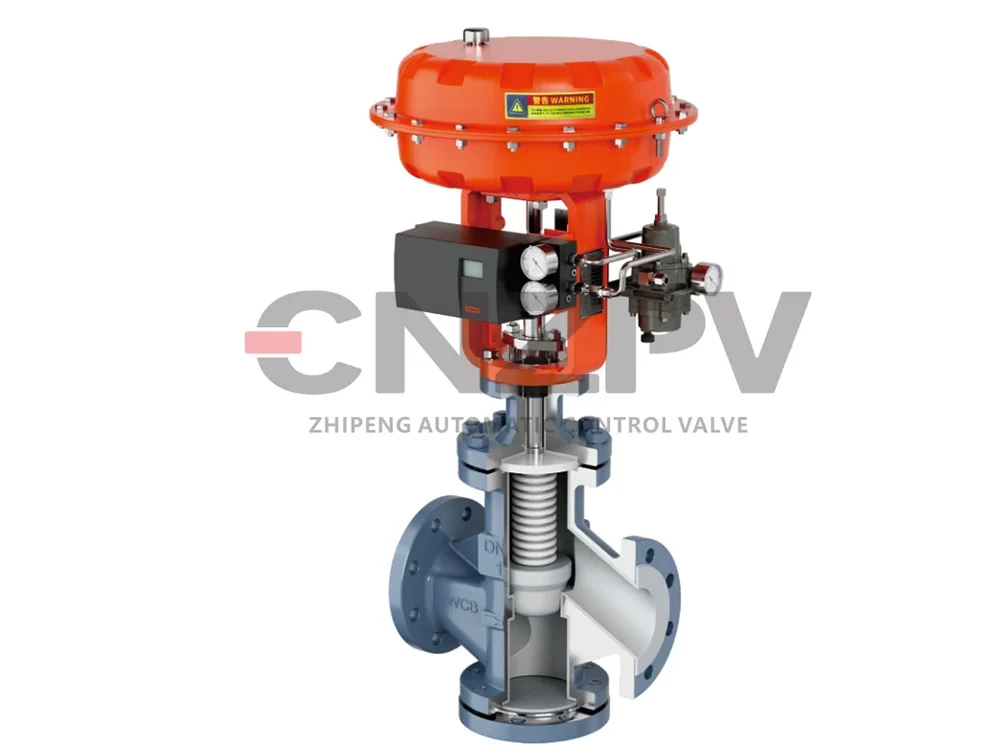
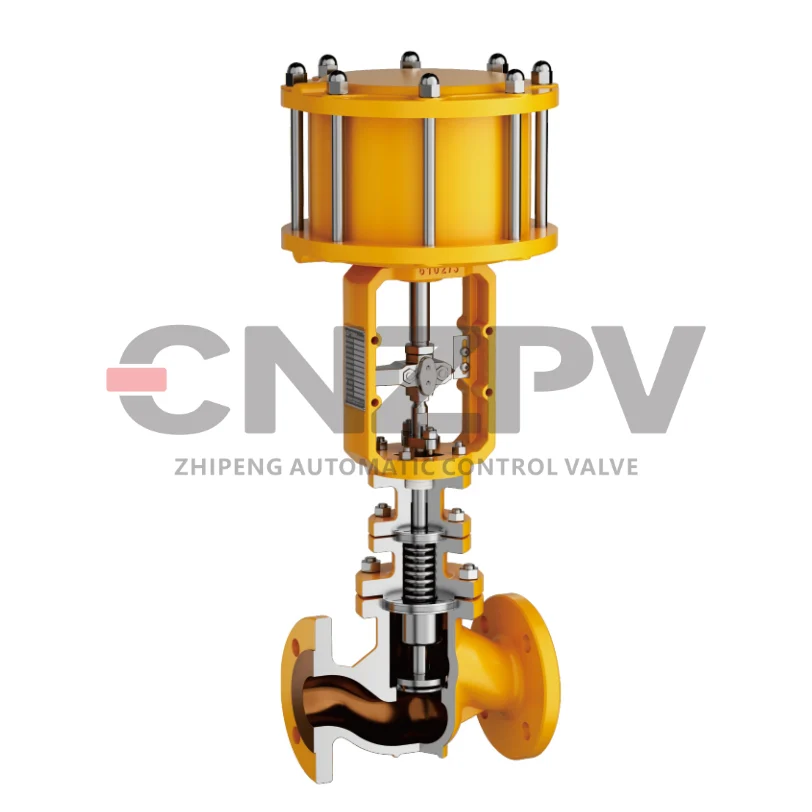
The internal surfaces of the globe valve body and plug that come into contact with the fluid are lined with fluoroplastic. This completely isolates corrosive media from the metal components, effectively preventing corrosion. Characterized by excellent sealing performance, responsive operation, and precise flow characteristics, this valve is widely used to control highly corrosive media—such as acids, alkalis, and salts—as well as volatile or highly permeable gases and liquids.
Self-Operated Pressure Regulating Valve
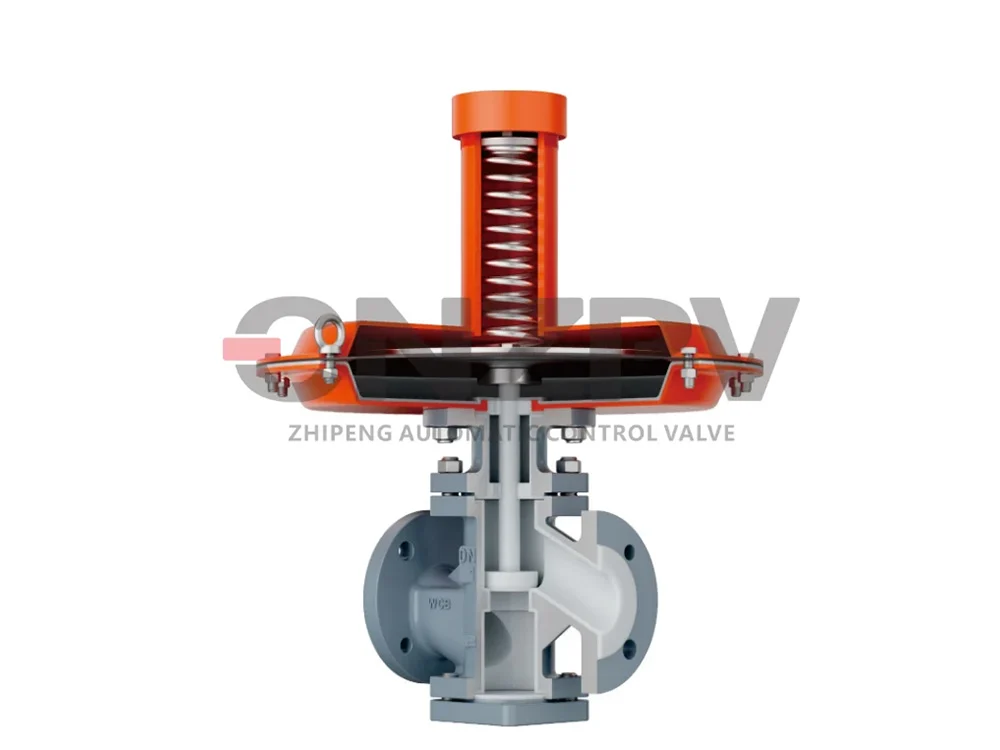
The self-operated pressure regulating valve is a device that operates without the need for an external power source. It utilizes the pressure of the medium itself as the driving force; by comparing pressure fluctuations against a control signal and balancing the force exerted by the regulated medium with the output force of the actuator, it maintains a stable pressure or differential pressure.
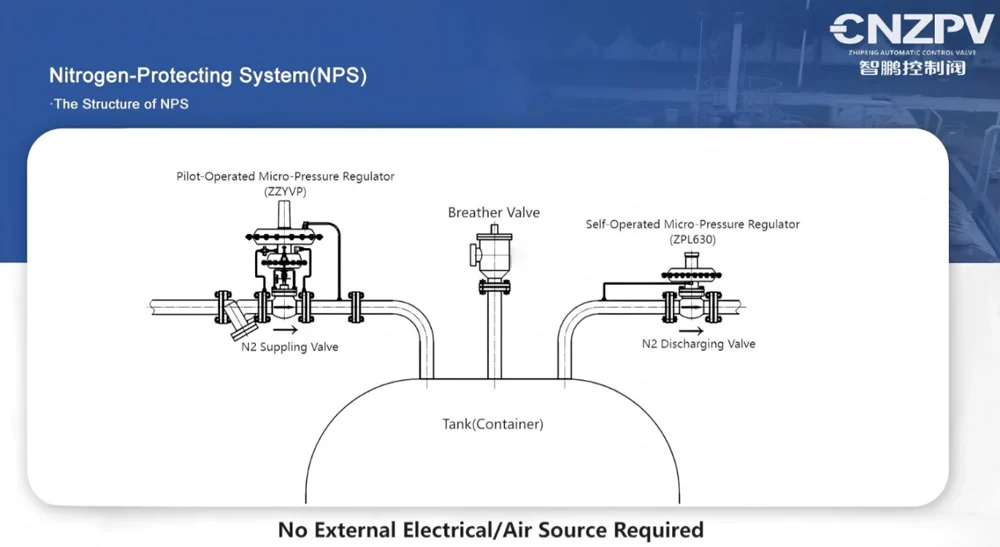
This regulating valve consists of a valve body and an actuator. It features a simple structural design, with all wetted parts lined with fluoropolymers (FEP, PFA, PTFE), making it ideal for automatic pressure control in corrosive gas applications. Thanks to its superior corrosion resistance and high reliability, it is widely used in industries such as chemicals and pharmaceuticals, effectively ensuring process stability and safety. It is an ideal choice for automatic control applications involving highly corrosive media.
Diaphragm Valve
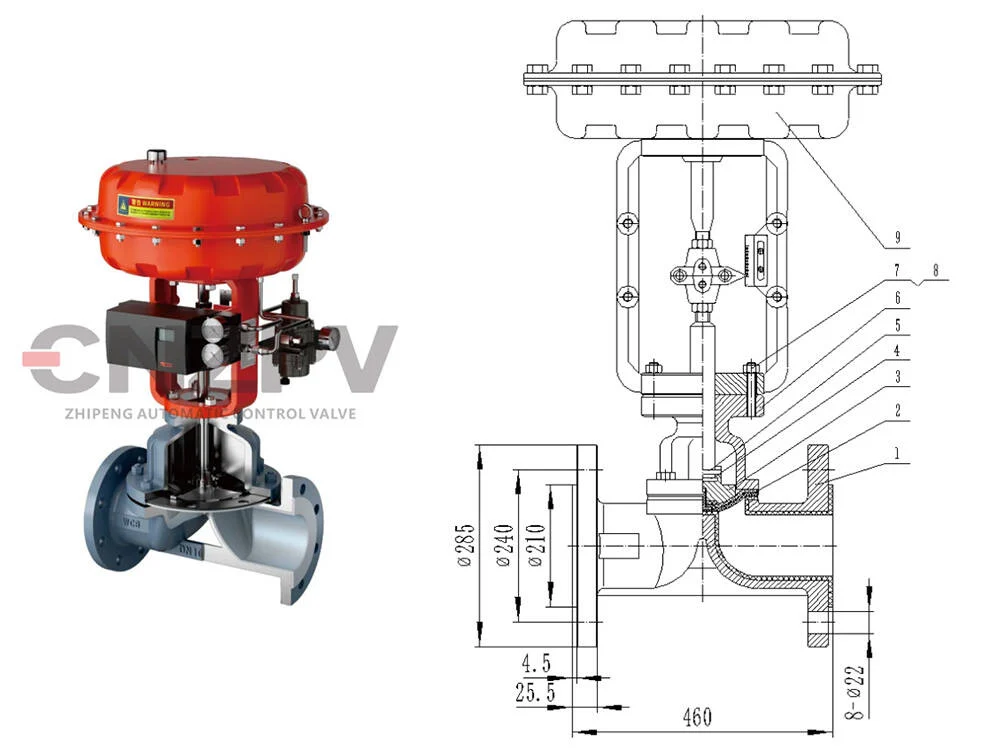
The diaphragm valve assembly consists of a multi-spring pneumatic diaphragm actuator and the diaphragm valve itself. The valve body features a smooth flow path and utilizes an elastic diaphragm as the throttling element; the bonnet design eliminates the need for a stuffing box. Consequently, this valve offers zero leakage and higher flow capacity than traditional control valves, while also functioning as a shut-off valve within permissible differential pressure limits.
This valve is particularly well-suited for applications involving high-viscosity fluids, suspensions containing particles, fibrous media, and toxic or corrosive substances.