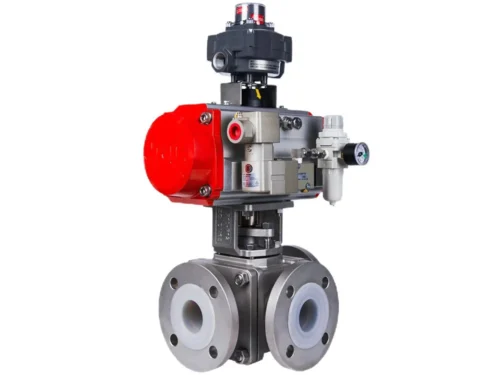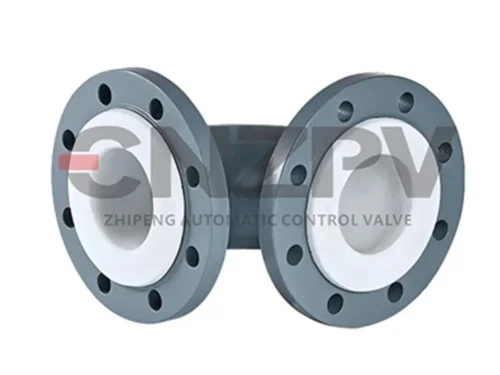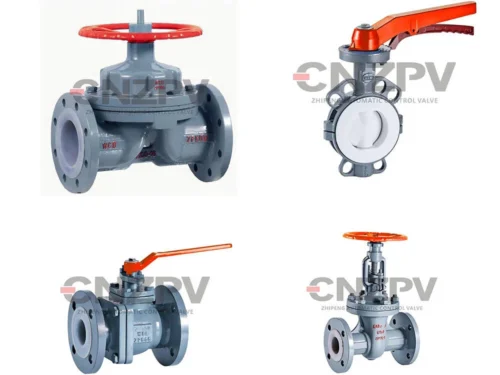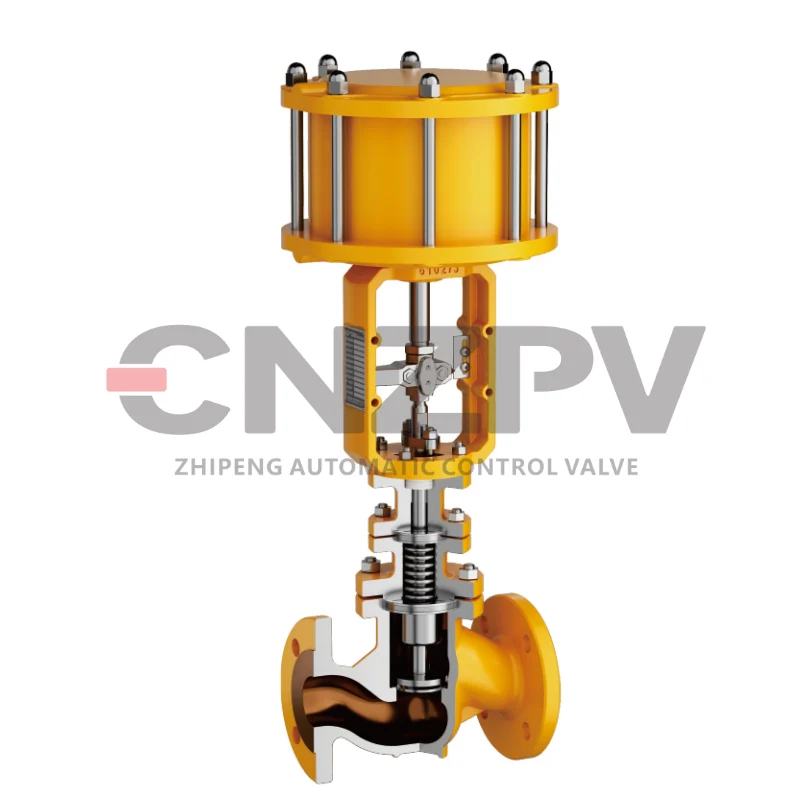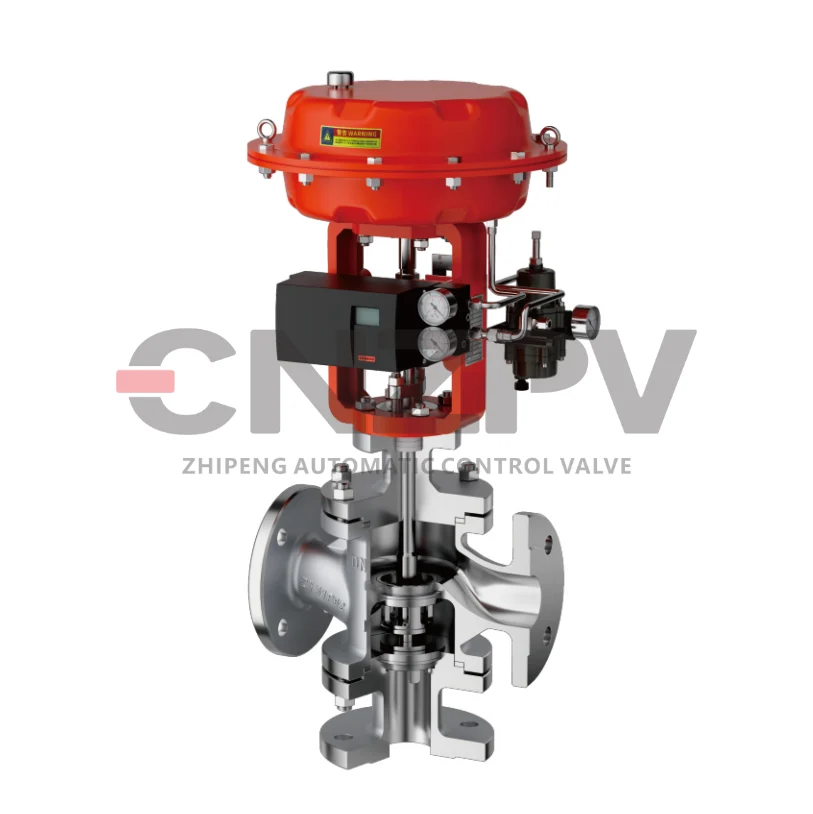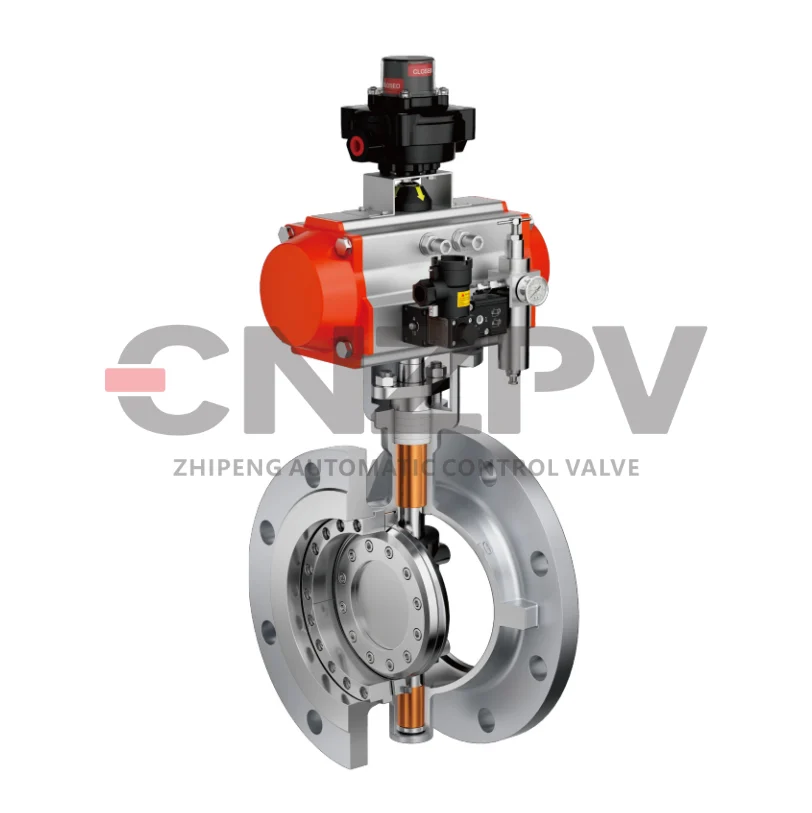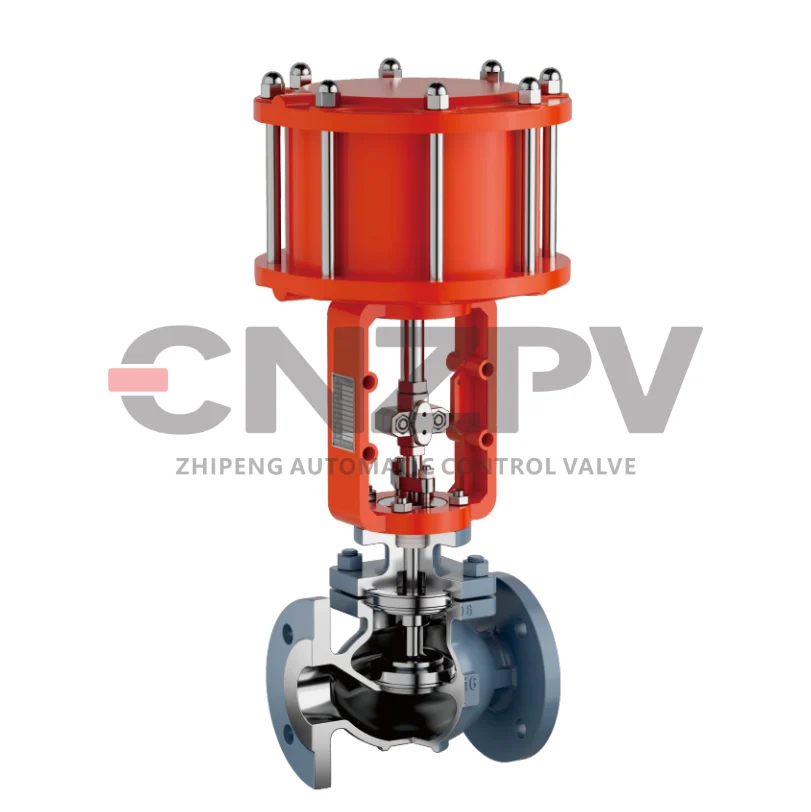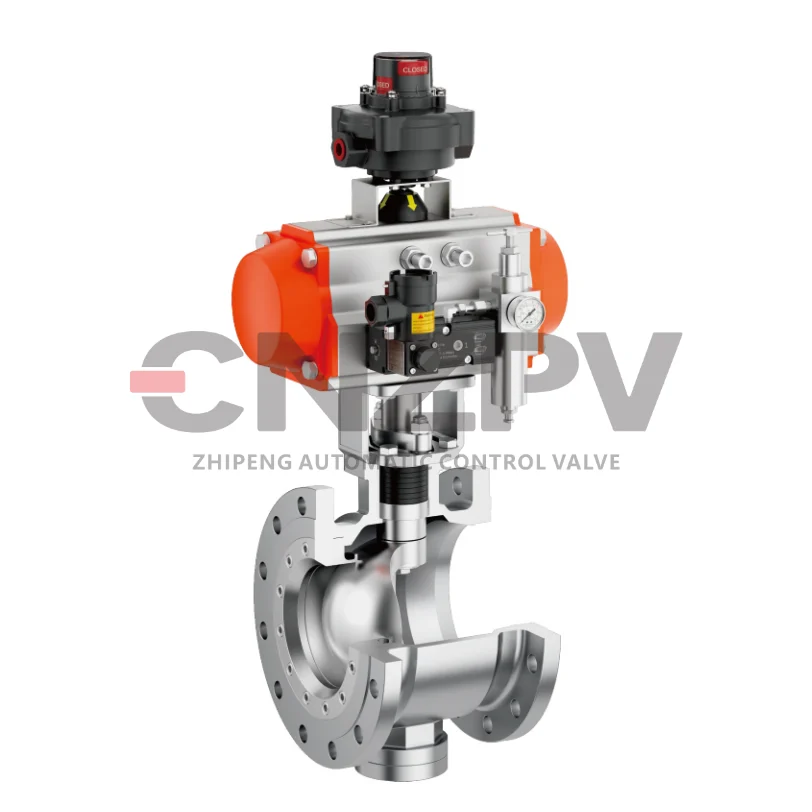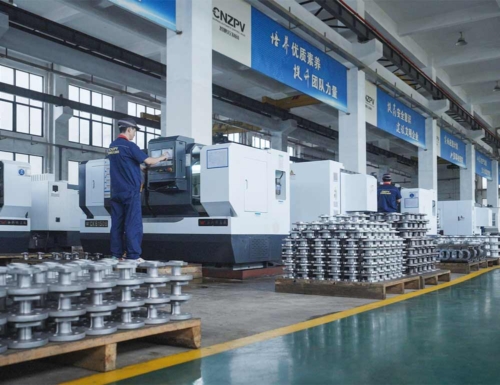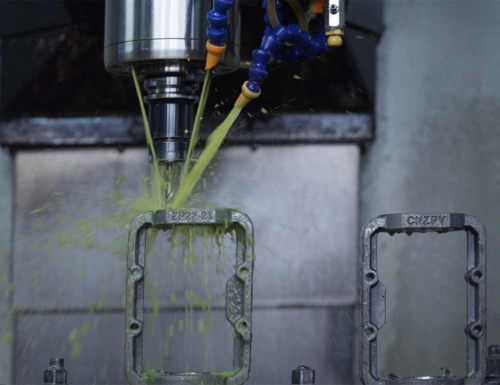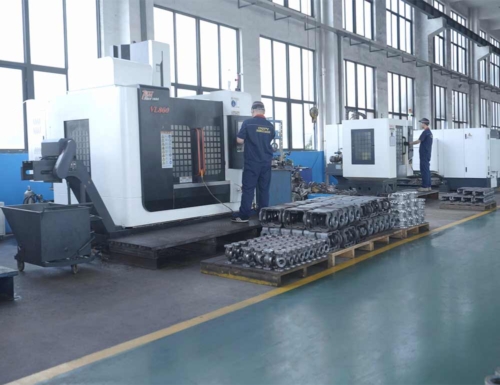
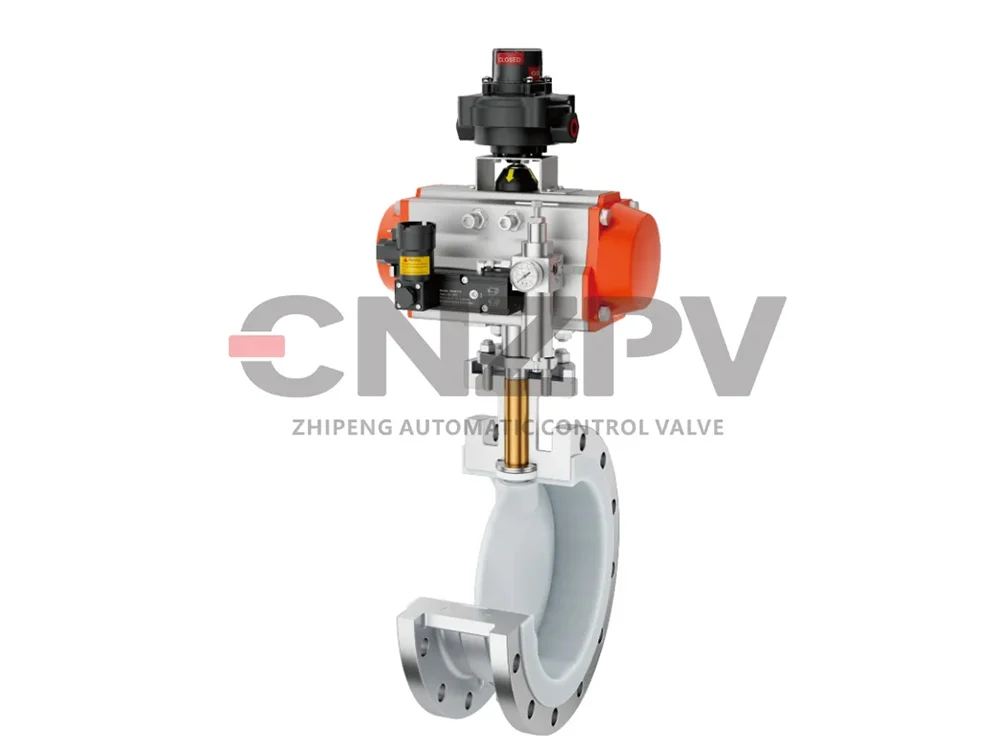
Compared to traditional butterfly valves, PTFE-lined butterfly valves feature an internal PTFE lining, enabling them to deliver exceptional performance in demanding industrial environments. In sectors such as chemical processing, pharmaceuticals, and food production, these valves are frequently employed to ensure continuous, safe system operation under harsh conditions. Their high efficiency and reliability make them a standout choice, helping to reduce maintenance costs while effectively extending the service life of equipment.
Design Advantages of PTFE-Lined Butterfly Valves
Lightweight Design and Structural Efficiency
PTFE-lined butterfly valves are characterized by their compact, lightweight construction, making them an ideal choice for installations where space is limited or weight restrictions are stringent. In contrast, FEP-lined ball valves—while robust—are bulkier and often less efficient in applications requiring rapid shut-off. The PTFE lining offers superior resistance to corrosive chemicals and wear, ensuring a long service life even in extreme environments; under identical operating conditions, some PFA or other PTFE-based valves may experience faster wear.
Longevity and Cost-Effectiveness
Compared to other valve types, PTFE-lined butterfly valves effectively minimize pressure loss and enhance overall operational efficiency. This provides a significant advantage in industries such as chemical processing and water treatment, where stable performance and low maintenance requirements are critical. With their exceptional durability, ease of operation, and superior chemical resistance, PTFE-lined butterfly valves serve as a reliable and cost-effective solution for demanding industrial applications.
Practical Applications of PTFE-Lined Butterfly Valves
Chemical and Petroleum Industries
In sulfuric acid and hydrochloric acid production facilities, these valves are used to regulate feed flow into reaction vessels. They are capable of withstanding 35% concentration hydrochloric acid at 80°C, maintaining continuous operation for 24 months without any corrosion or leakage.
Pharmaceutical and Biopharmaceutical Industry
In antibiotic and vitamin production lines, these solutions completely prevent the leaching of metal ions, comply with GMP cleanroom standards, and eliminate the risk of cross-contamination between pharmaceutical products.
Food Processing Industry
The smooth, non-stick surface of PTFE prevents the adhesion of sauces and dairy products, eliminating the need for frequent disassembly and cleaning—thereby significantly reducing production line downtime.
Environmental Protection and Water Treatment
In municipal wastewater treatment aeration tanks, replacing standard cast-iron valves with PTFE-lined butterfly valves has extended service life from 2–3 replacements per year to over 5 years, resulting in annual maintenance cost savings of hundreds of thousands of yuan.
Power and Metallurgy
In hydrometallurgical acid-leaching circuits, a 3–4 mm thick PTFE lining effectively isolates high-concentration acidic slurries and withstands abrasive media with solids content of up to 40%.
Conclusion
Whether you require full or partial lining, manual operation, or automated control, CNZPV offers comprehensive solutions—from material selection and design to after-sales support. Please feel free to contact us at any time.