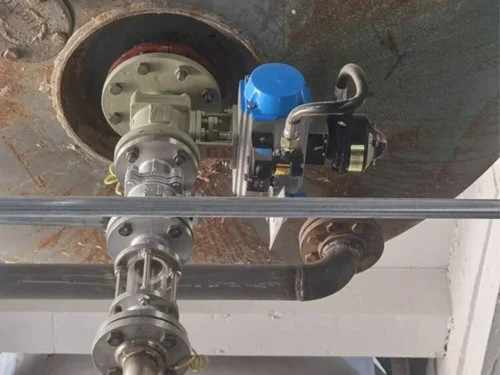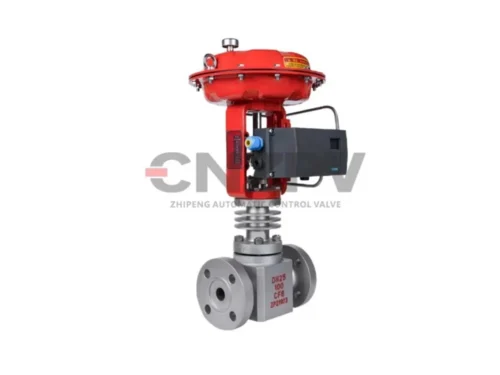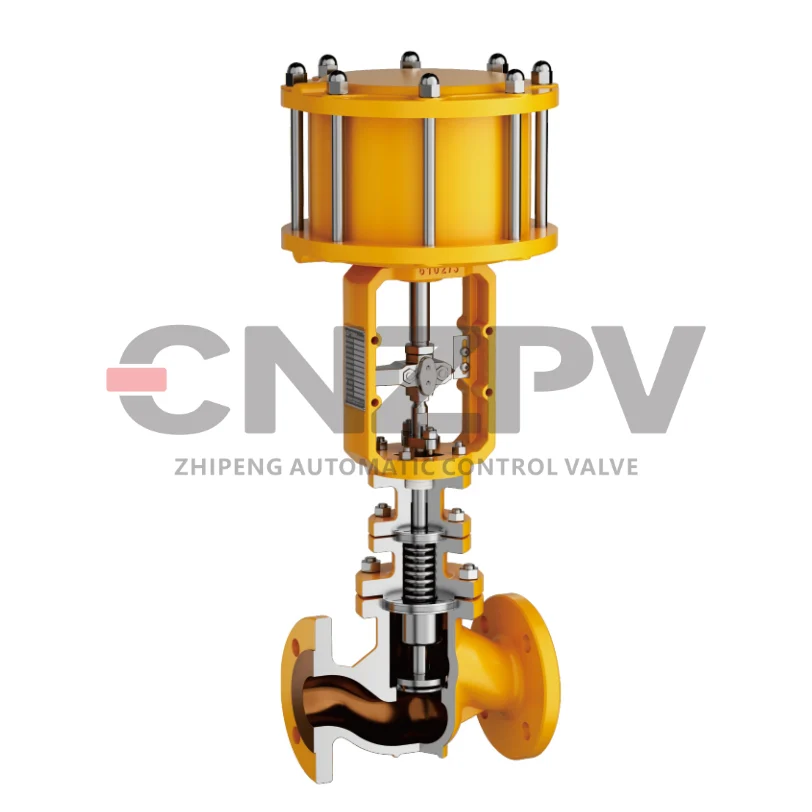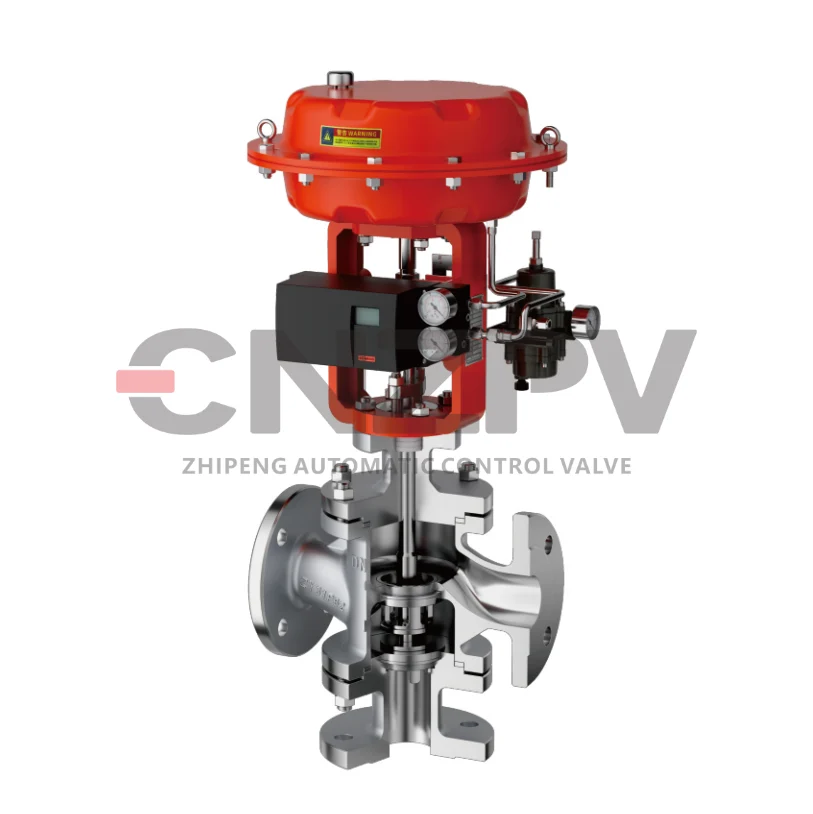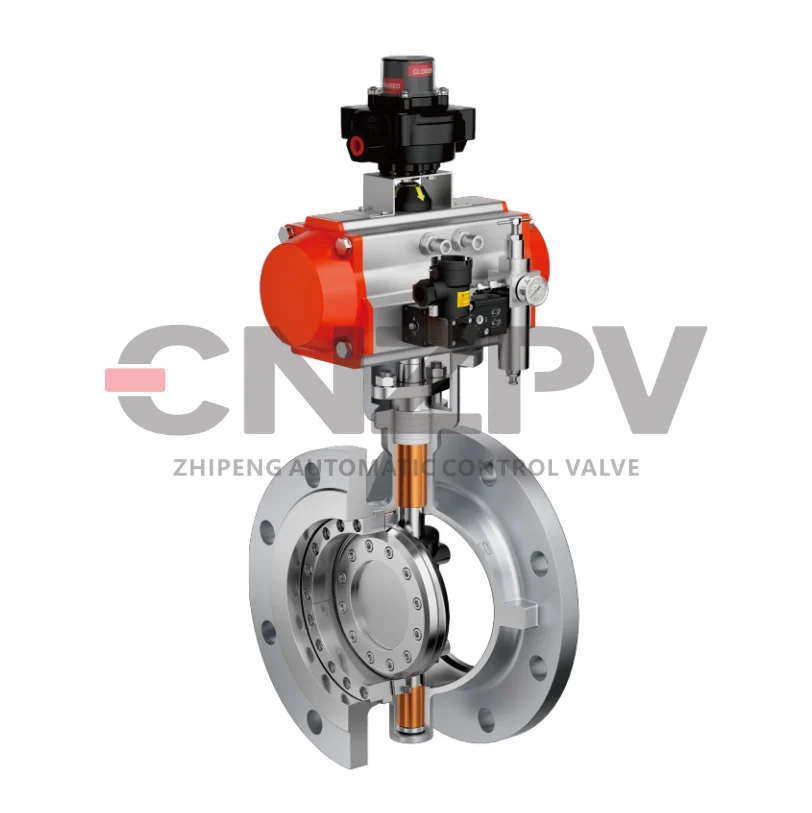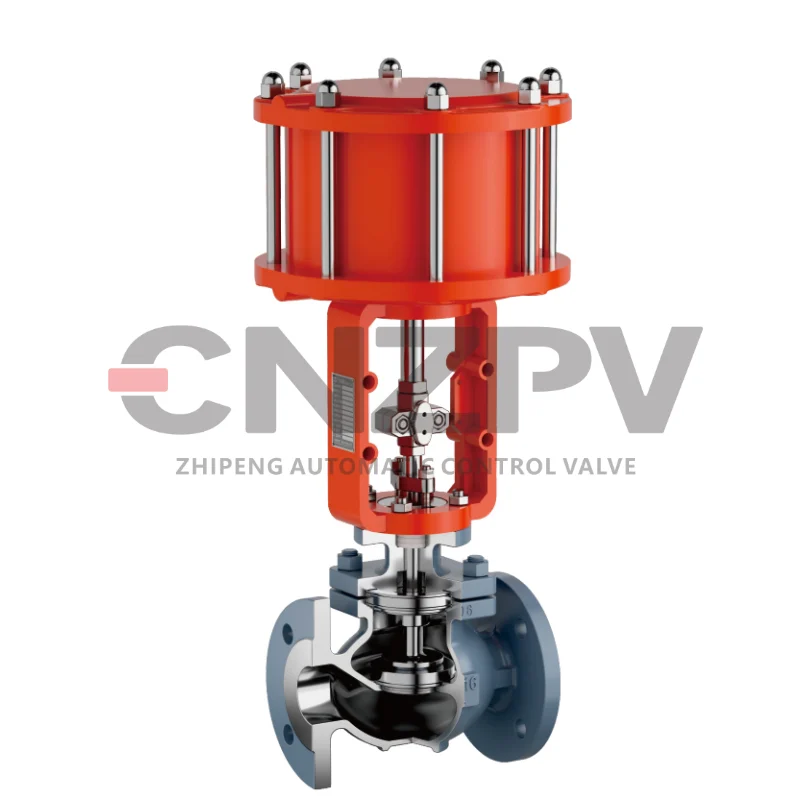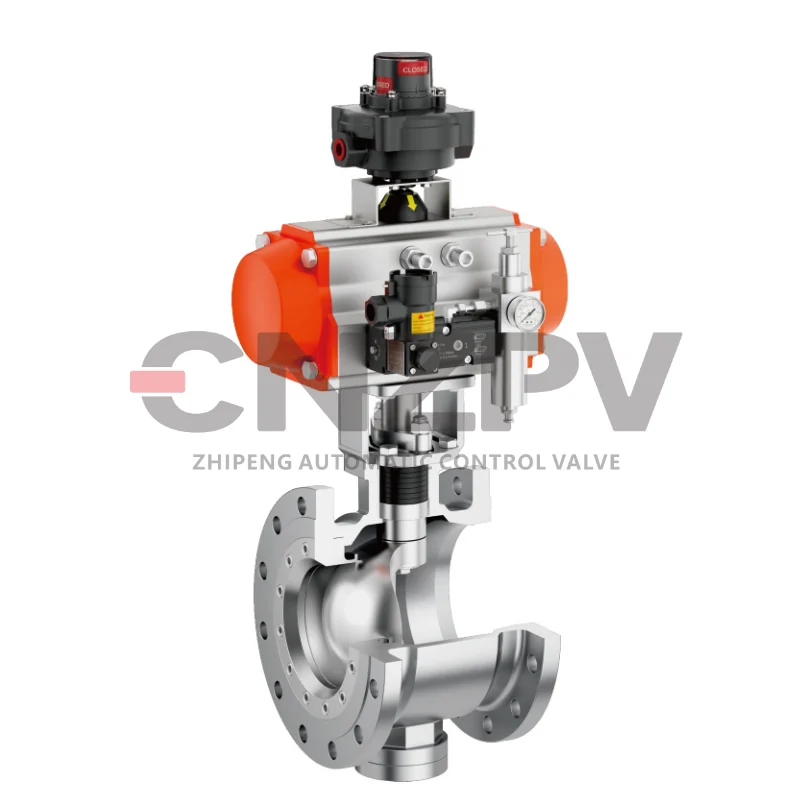
The cage-guided single-seat regulating valve is an industrial automation fluid control device that combines the superior sealing characteristics of a single-seat valve with the high stability of a cage-guided valve, enabling precise control of process parameters. It is widely used in process industries such as petrochemicals, metallurgy, and power generation.
Ingenious Structural Design
The advantage of the cage-guided single-seat regulating valve lies in the integration of the guiding structure and the throttling function within the cage component. The valve body flow path features a low-resistance, streamlined design that minimizes pressure drop. The cage wall contains throttling windows of various shapes; the window profiles can be configured to provide specific flow characteristics, such as equal percentage, linear, or quick-opening. A pressure-balanced plug is nested within the cage, which serves as a continuous guide throughout the plug’s travel; this ensures constant alignment across the full stroke, effectively eliminating issues like uneven wear and oscillation common in traditional single-seat valves. Balancing holes at the top of the plug connect the upstream and downstream media, counteracting over 80% of the axial unbalanced force. This significantly reduces the thrust required from the actuator, allowing for the use of smaller actuators under identical pressure differential conditions and lowering overall equipment costs.
Key Performance Parameters and Advantages
Compared to standard single-seat regulating valves, the performance improvements of the cage-guided single-seat regulating valve are evident in three key areas:
Stability
The full-stroke cage guiding structure eliminates the risk of plug misalignment. Operating noise under high pressure differentials is 10–15 dB lower than that of standard single-seat valves, and the valve operates without instability issues such as surging or oscillation, resulting in a more than 40% reduction in long-term failure rates.
Wide Range of Application
The balanced plug design allows for a maximum pressure differential of up to 20 MPa—reducing the unbalanced force to just one-fifth to one-tenth of that found in standard single-seat valves—while also subjecting the sealing packing to less lateral force, enabling leakage rates that meet ANSI Class VI standards. With appropriate material selection, it can handle temperatures ranging from cryogenic levels (-196°C) to high heat (566°C) and is compatible with various fluid types, including gases, liquids, steam, and media containing particulates. Cost-Effectiveness
The sleeve features a modular design, allowing for independent removal and replacement without dismantling the valve body. Flow characteristics can be adjusted simply by swapping the sleeve for one with a different window configuration; the modification cost is only 15% of that required to replace the entire valve, significantly reducing downtime for technical upgrades and maintenance.
Solutions to Common Faults
- Valve fails to open or close properly: Check the air supply pressure; disassemble the valve body to remove foreign objects from the valve plug; replace worn piston seals in the actuator.
- Unstable valve operation: Replace worn guide sleeves or high-stiffness springs; replace with a valve of suitable, lower flow capacity.
- Excessive operating noise: Replace the valve plug with a cavitation-resistant version featuring a Stellite alloy overlay; select a multi-stage pressure-reducing sleeve; adjust the valve opening to reduce the medium flow velocity.